oraimo store
 4.8+
4.8+
4.8+
Download & Enjoy APP Exclusive Offers
4.8+

 Scan & Download oraimo store App






 Scan & Download oraimo store App
Scan & Download oraimo store App
Scan & Download oraimo store App
Scan & Download oraimo store App
Scan & Download oraimo store App
Scan & Download oraimo store App
Scan & Download oraimo store App
Scan & Download oraimo store App
Scan & Download oraimo store App
For most Nigerians, choosing between open-ear and in-ear wireless earbuds comes down to one practical question: Do you need to stay aware of your surroundings, or do you want stronger isolation from background noise?
Open-ear wireless earbud headphones are often better for outdoor movement, long listening sessions and situations where you need to hear traffic, colleagues or nearby people. In-ear wireless earbuds generally provide stronger bass, better passive isolation and more effective active noise cancellation in noisy environments.
Neither design is automatically the best earbuds option for everyone. Your ideal choice depends on your commute, ear shape, preferred sound profile, phone compatibility and how you use your audio devices each day.
Feature | Open-ear earbuds | In-ear earbuds |
|---|---|---|
Position | Rest outside the ear canal | Sit inside the ear canal |
Environmental awareness | High | Lower unless transparency mode is active |
Noise reduction | Limited | Better passive isolation and ANC |
Bass response | Usually lighter | Usually deeper and more controlled |
Comfort | No pressure inside the ear canal | Depends on ear tip size and fit |
Best for | Walking, running, office awareness and outdoor activity | Commuting, focused work, gaming and immersive music |
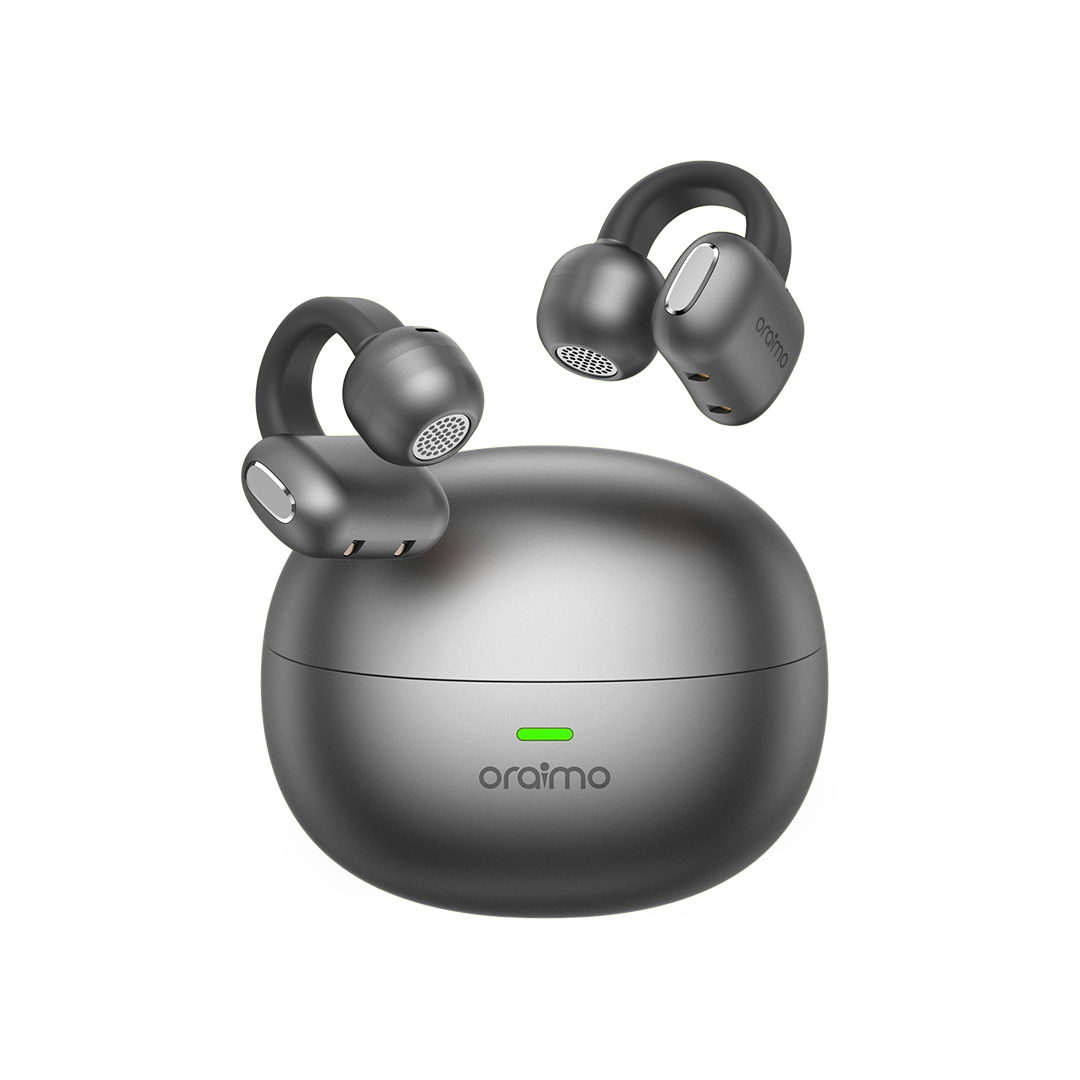
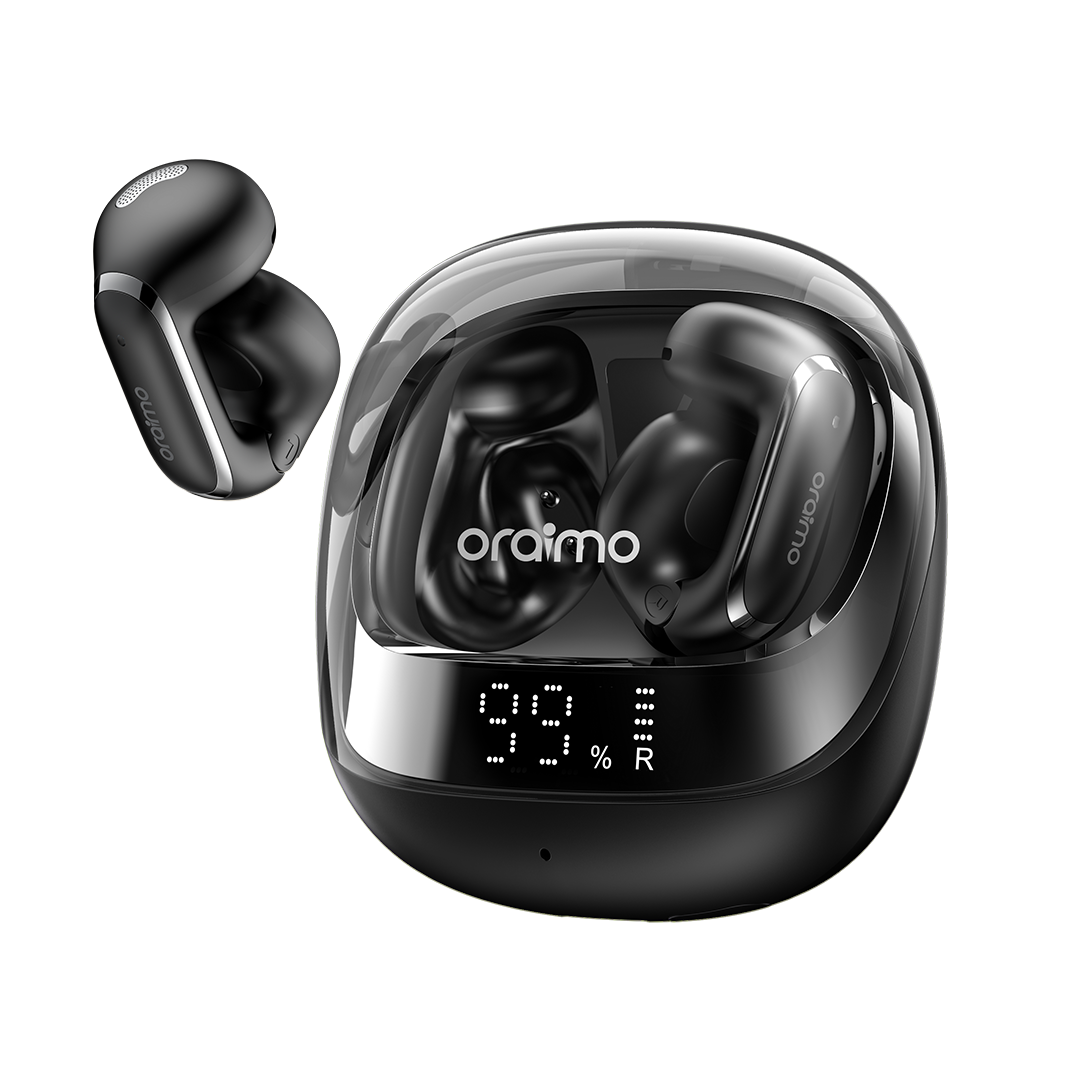
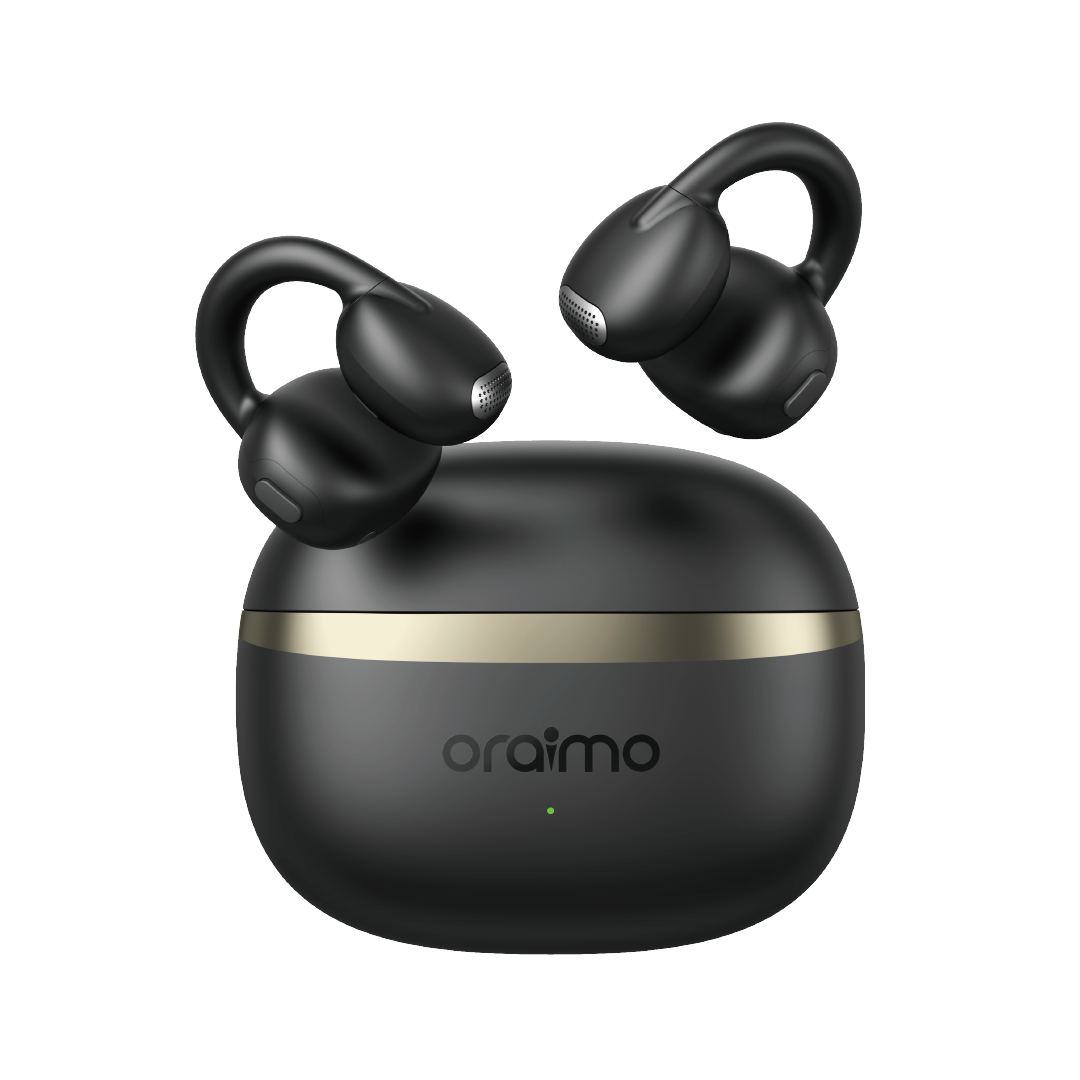
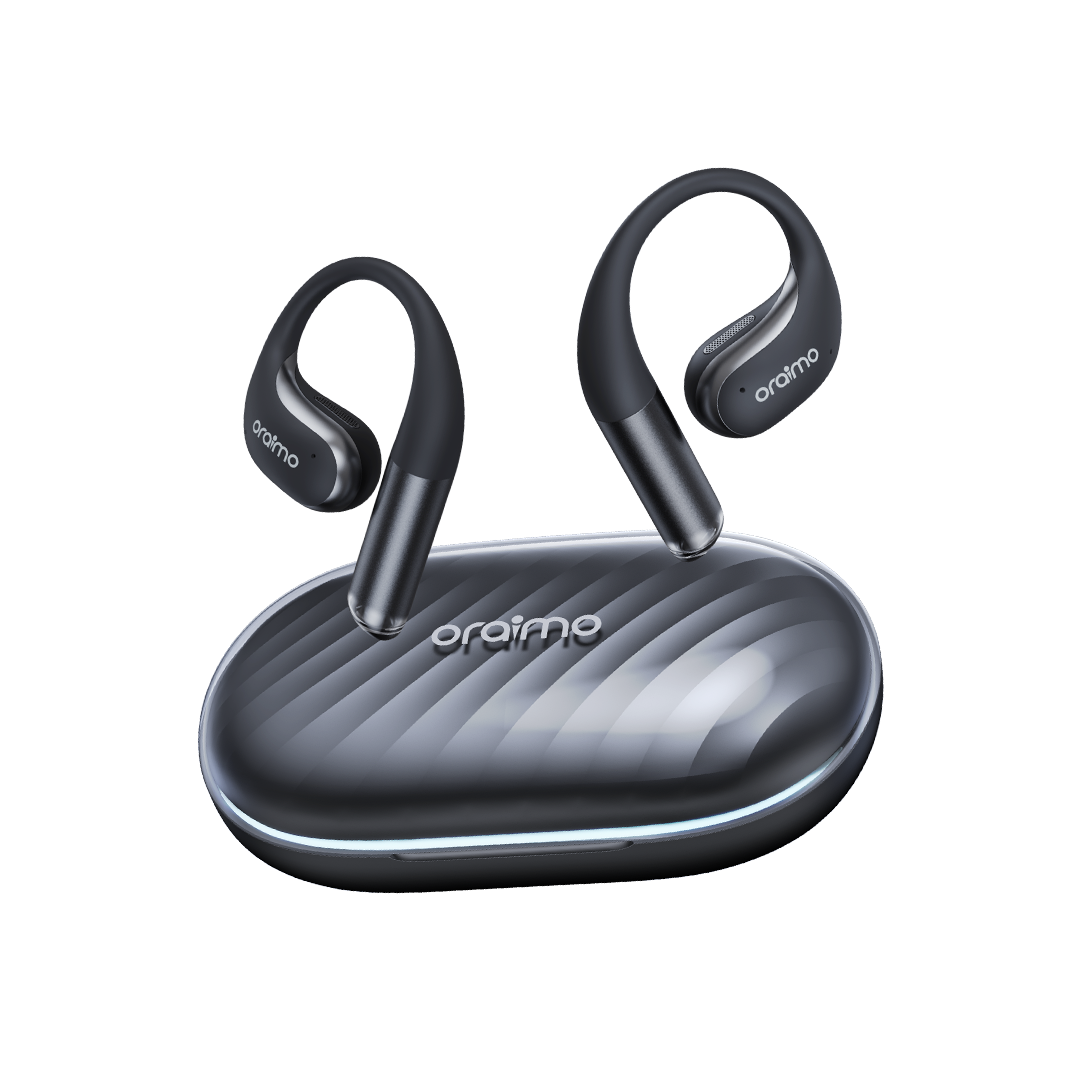
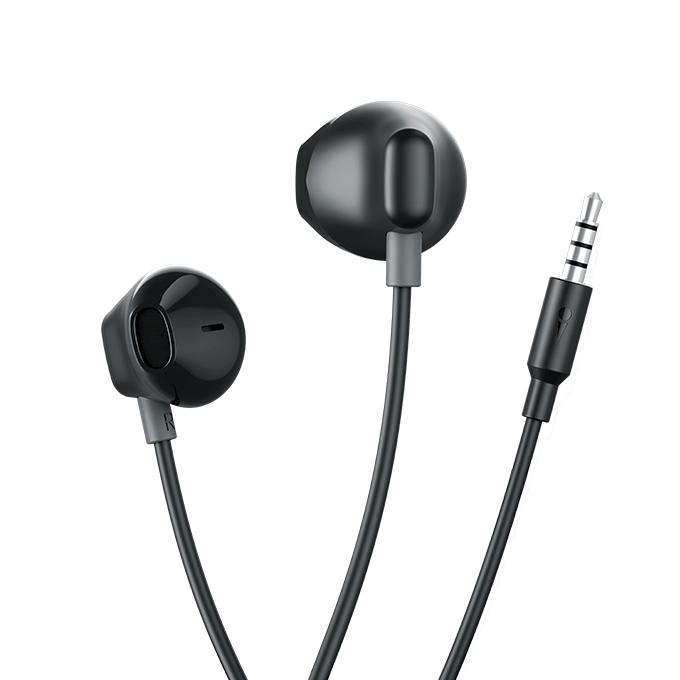
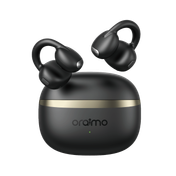
Open-ear earbuds leave the ear canal uncovered. Many use ear hooks or a curved frame to hold the speakers close to the ears while allowing outside sound to remain audible.
That design can be helpful for someone walking beside a busy Lagos road, exercising outdoors or working in an office where colleagues may need their attention. You can listen to music or calls without completely losing contact with background sounds.
Open-ear models may also suit people who find in-ear tips uncomfortable. Since nothing is pushed into the ear canal, they can fit comfortably during long listening sessions. However, comfort still depends on ear shape, frame pressure and whether the design fits most ears securely.
Their main limitation is isolation. Open earbuds usually cannot provide the best noise cancellation because sound from the environment enters naturally. On a noisy bus or near a generator, they may only do a decent job of keeping audio clear.
This means users may be tempted to increase the volume. For hearing protection, it is better to keep the volume moderate and move away from excessive noise when possible.
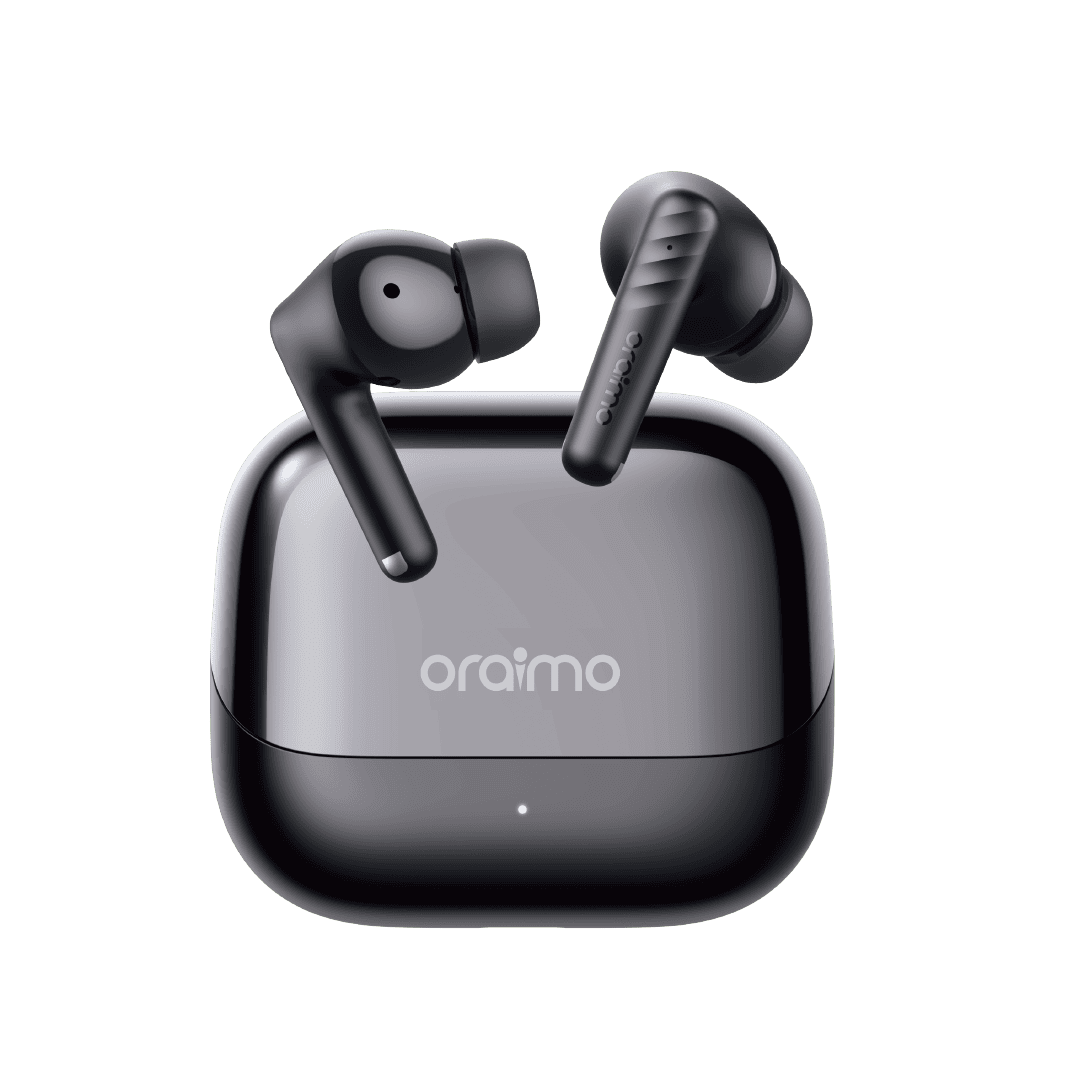
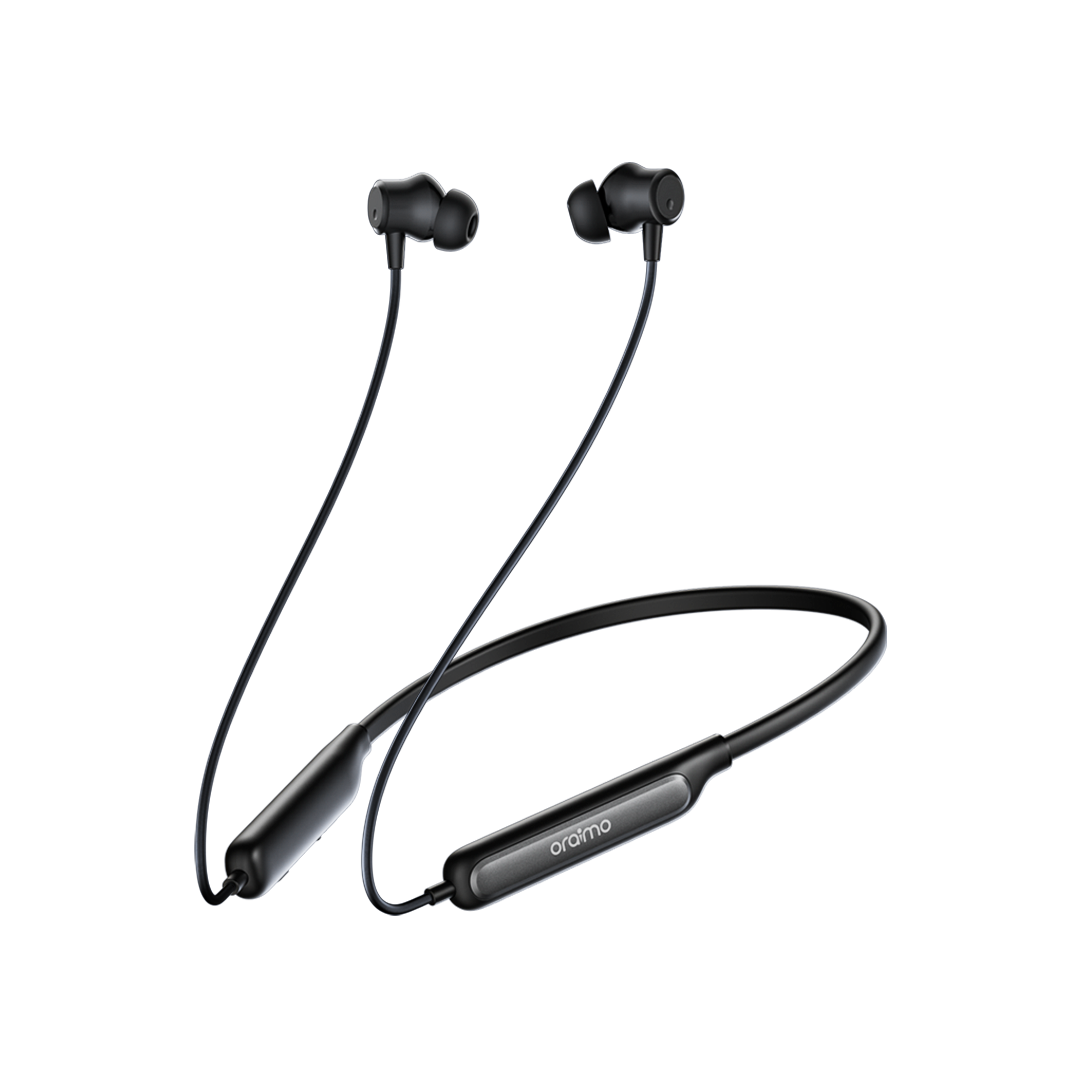
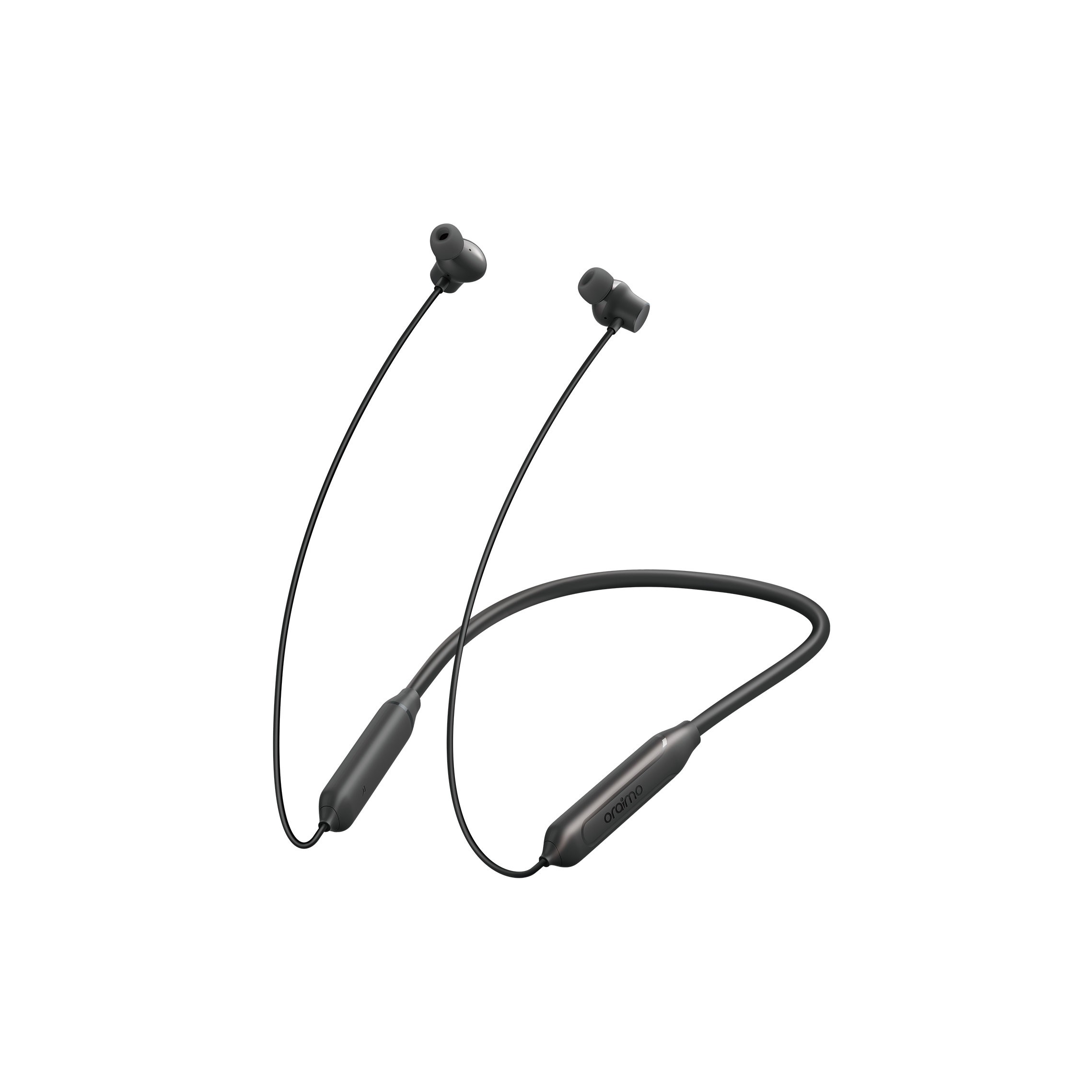
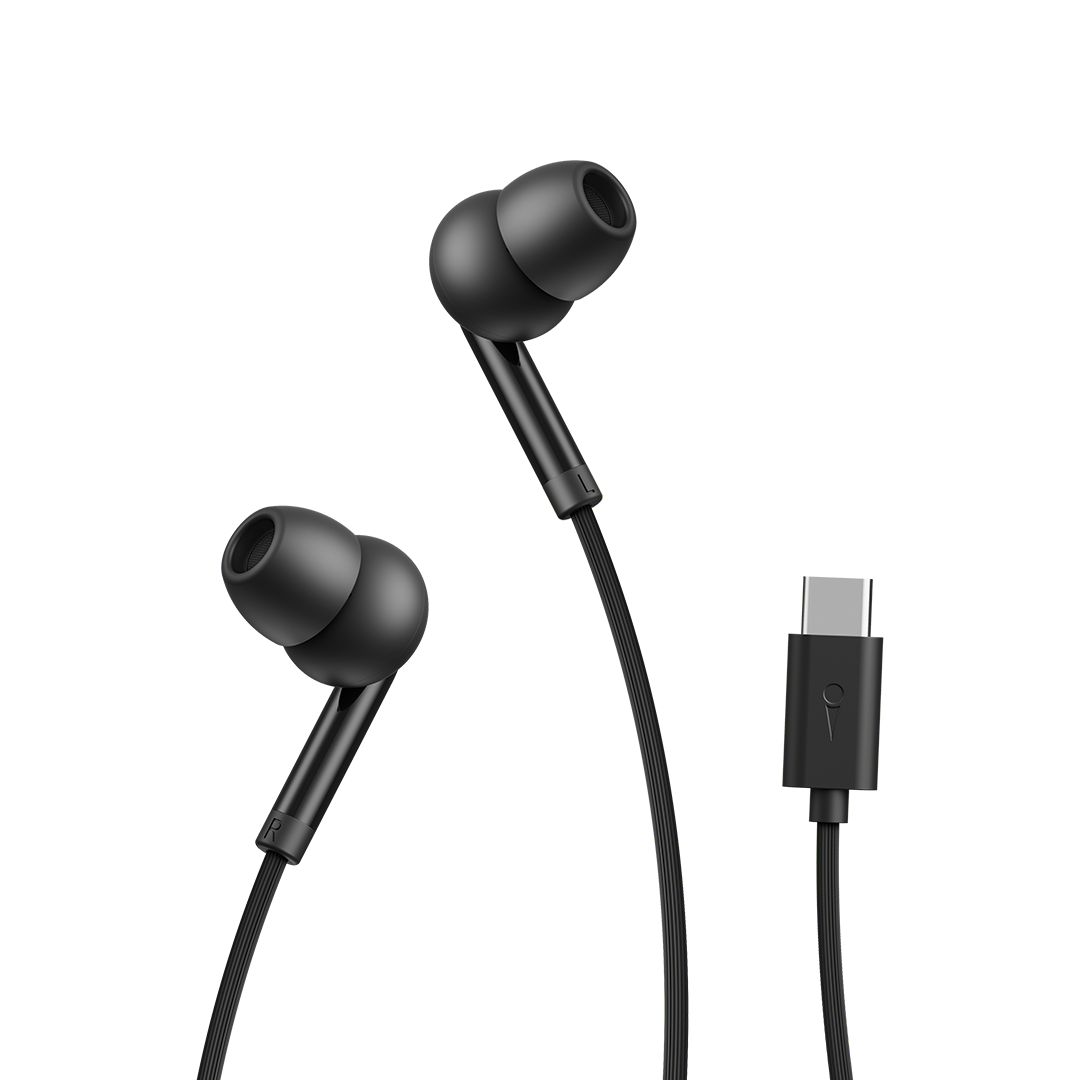
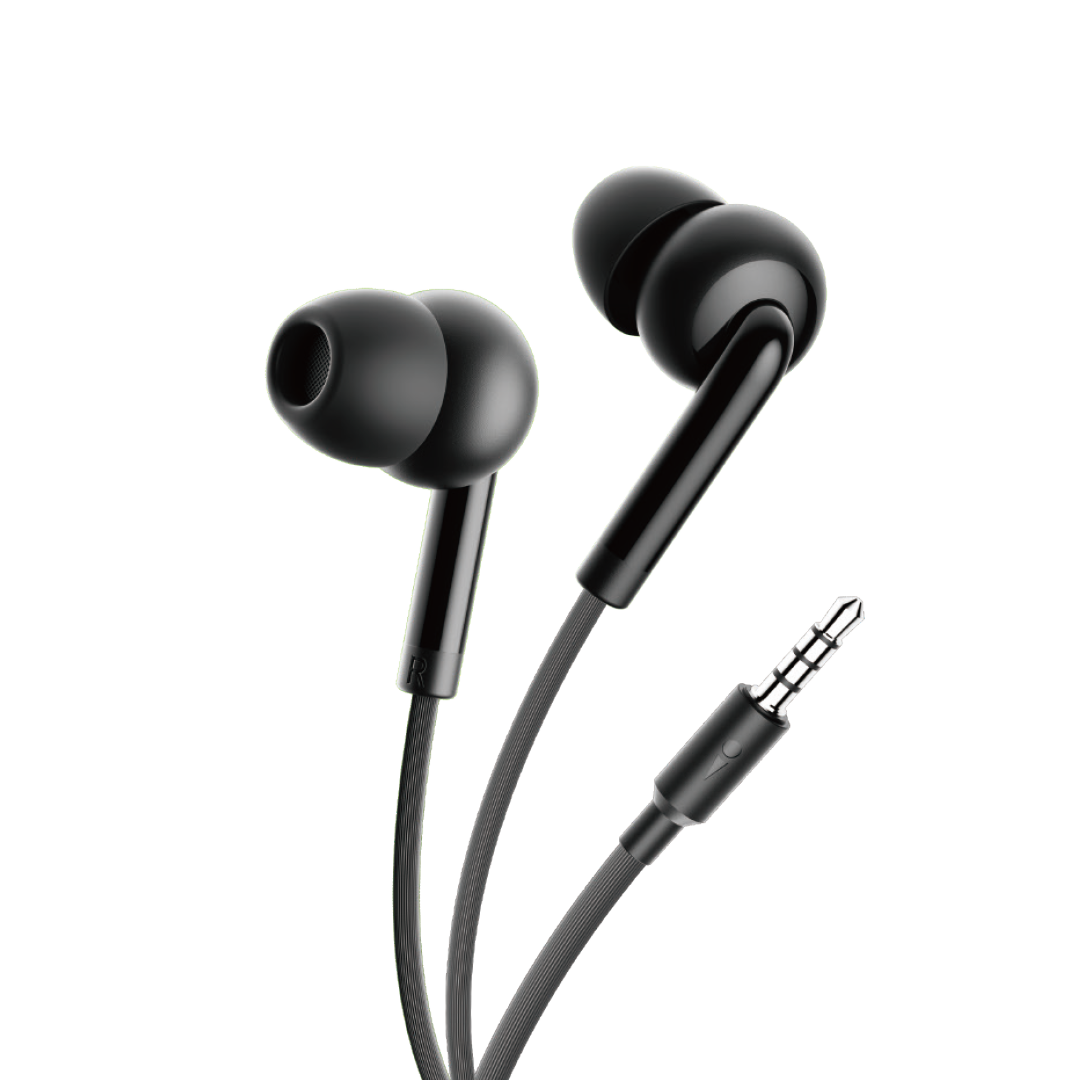
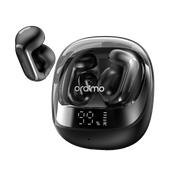
True wireless in-ear models use silicone or foam tips to create a seal inside the ear. A suitable ear tip blocks part of the background noise before electronic noise cancellation begins.
That passive isolation makes in-ear Bluetooth earbuds a stronger choice for crowded public transport, shared offices, video watching and focused listening. Models with adjustable ANC can reduce steady background noise, while transparency mode or adaptive audio can allow important environmental sounds back in.
Because the tips create a seal, in-ear earbuds often deliver deeper bass and a more balanced frequency range. They are more likely to sound good when you want detailed vocals, stronger low frequencies and an immersive listening experience.
Fit remains important. A rounded shape may sit securely in one person’s ears and feel loose in another’s. Trying different ear tip sizes can improve comfort, sound quality and ANC performance.
For most listeners, a good seal matters more than buying the most expensive premium earbuds. Well-designed affordable earbuds can still provide great sound when they fit correctly and match the user’s needs.
For a noisy bus, train or flight, in-ear noise-cancelling earbuds usually perform better. Their physical seal and electronic noise cancellation reduce competing sound, allowing music and calls to remain clearer.
For walking near traffic, open-ear models offer better environmental awareness. They let you hear horns, voices and warning sounds more naturally.
Open earbuds may therefore suit commuters who value awareness, while in-ear earbuds are better for those who want to reduce noise during long journeys. The right option depends on whether awareness or isolation solves your bigger daily problem.
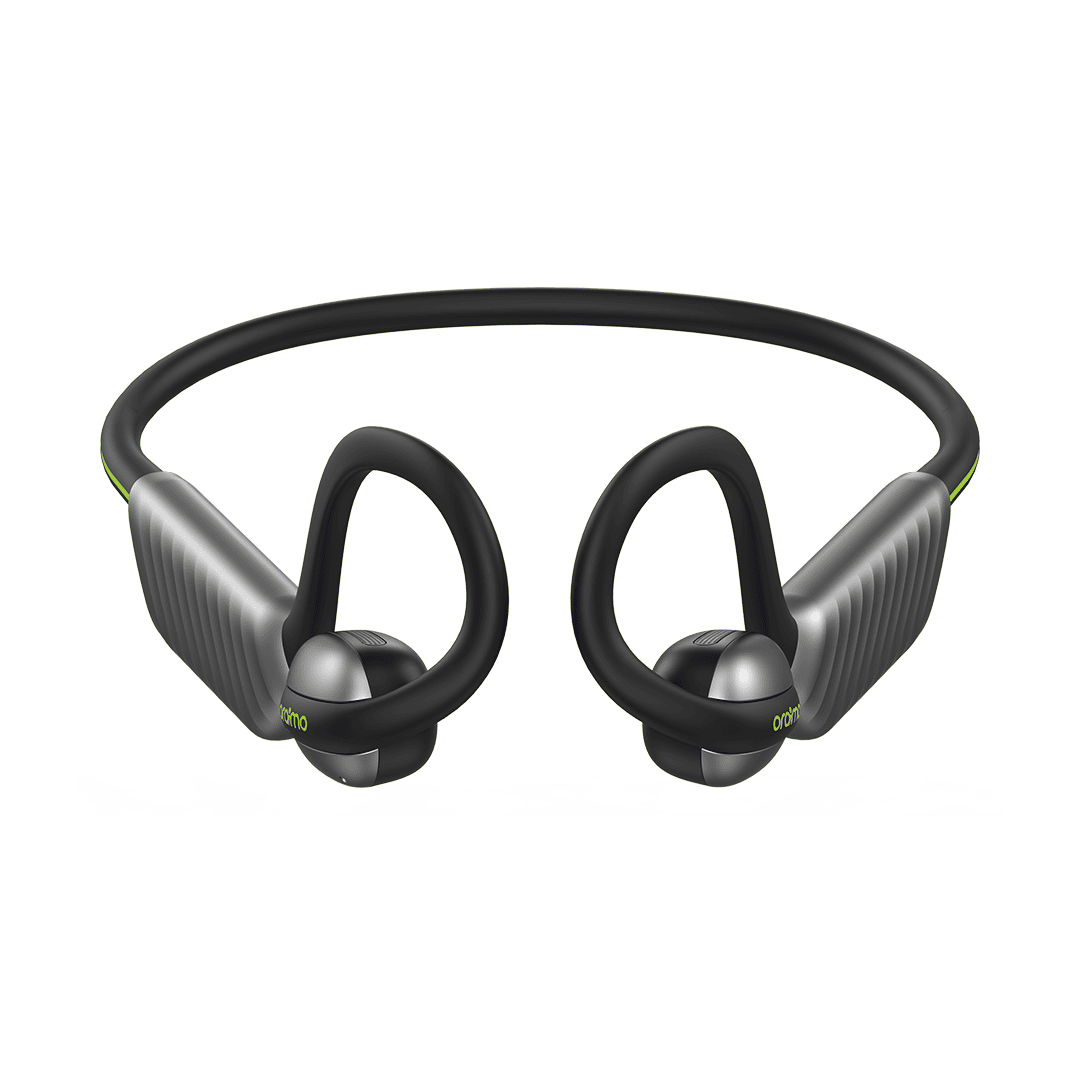
Open-ear workout earbuds with secure ear hooks are practical for running and walking outdoors. They allow users to hear their surroundings without stopping their music or fitness apps.
In-ear workout earbuds may provide stronger bass and a tighter seal. However, the earbuds must fit securely, and buyers should confirm the product’s sweat-resistance rating before exercising with them.
Voice control can also be useful during workouts because it reduces the need to touch the phone. Still, microphone performance, fit and battery life should matter more than advanced features that may rarely be used.
In-ear wireless earbuds are generally better for video watching and focused calls because passive isolation helps voices remain clear. Low-latency performance is also important when users play games, since noticeable audio delay can make gameplay frustrating.
Open-ear models can work well for office calls when the surrounding environment is quiet. They also allow users to hear colleagues without repeatedly removing the earbuds.
People searching for the best earbuds should check microphone quality, connection stability and latency rather than judging the product by sound quality alone.
Some products advertise spatial audio, adaptive audio or a live translation feature. These capabilities can be useful, but availability may depend on the phone, operating system or companion app.
Most modern wireless earbuds can connect to Android devices, including phones from several manufacturers. However, app controls, firmware updates and some advanced features may vary.
Certain audio products are designed around the Apple ecosystem. Apple AirPods, for example, may include Apple-exclusive features that are not fully available on Android phones. Buyers should therefore confirm what will work on their device before paying for features they cannot use.
The same principle applies to any earbuds offering spatial audio support, multipoint connection, voice assistants or app-based controls. Core Bluetooth functions may work across devices, while specialised features remain ecosystem-dependent.
Battery life varies by model, listening volume and enabled features. Some earbuds advertise about eight hours of listening on a single charge, while others achieve shorter or longer battery life.
Active noise cancellation, transparency mode, spatial audio and frequent calls can reduce listening time. Buyers should distinguish between the battery life of the earbuds themselves and the total time provided by the charging case.
Wireless charging is convenient, but it should not outweigh fit, durability and real listening time. For Nigerian users dealing with long commutes or unstable electricity, dependable battery life may be more valuable than a long list of rarely used features.
Search results may present products such as Bose QuietComfort Ultra Earbuds, Apple AirPods or EarFun Air Pro alongside many other earbuds. These names can help users understand the wider market, but they do not automatically represent the best choice for a Nigerian buyer.
Rather than choosing based on brand popularity, compare:
Fit and comfort
Realistic battery life
Microphone clarity
ANC performance
Frequency range
Android and iOS compatibility
Warranty and local support
Price relative to everyday needs
A product that delivers reliable calls, stable connectivity and good sound may be more useful than a costly model filled with features you will not use.
When visiting an online store, users may occasionally see a security verification page operated by a security service. This can happen when a website is checking traffic for malicious bots or unusual browsing activity.
A legitimate check may display a “verification successful” message before loading the page. It may also show a technical reference such as “respond Ray ID” or a similar request identifier when an error occurs.
These messages are related to website protection, not earbud performance. Avoid entering payment information on suspicious or misspelled websites. Buy through the official store, confirm the web address and use available product-authentication tools where applicable.
Hearing risk is influenced by listening volume, exposure duration and how frequently a person listens at high levels. This applies to open earbuds, in-ear earbuds, wired headphones and wireless headphones.
Keep the volume moderate and take regular listening breaks. If you notice persistent ringing, discomfort or muffled hearing, stop listening and seek guidance from a qualified hearing professional.
Choose open-ear earbuds when you prioritise environmental awareness, outdoor activity and reduced pressure inside the ear canal.
Choose in-ear wireless earbuds when you want deeper bass, passive isolation, active noise cancellation and focused listening in noisy environments.
For many Nigerian users, the answer is not about finding one design that wins in every category. It is about choosing the earbuds that fit your actual routine.
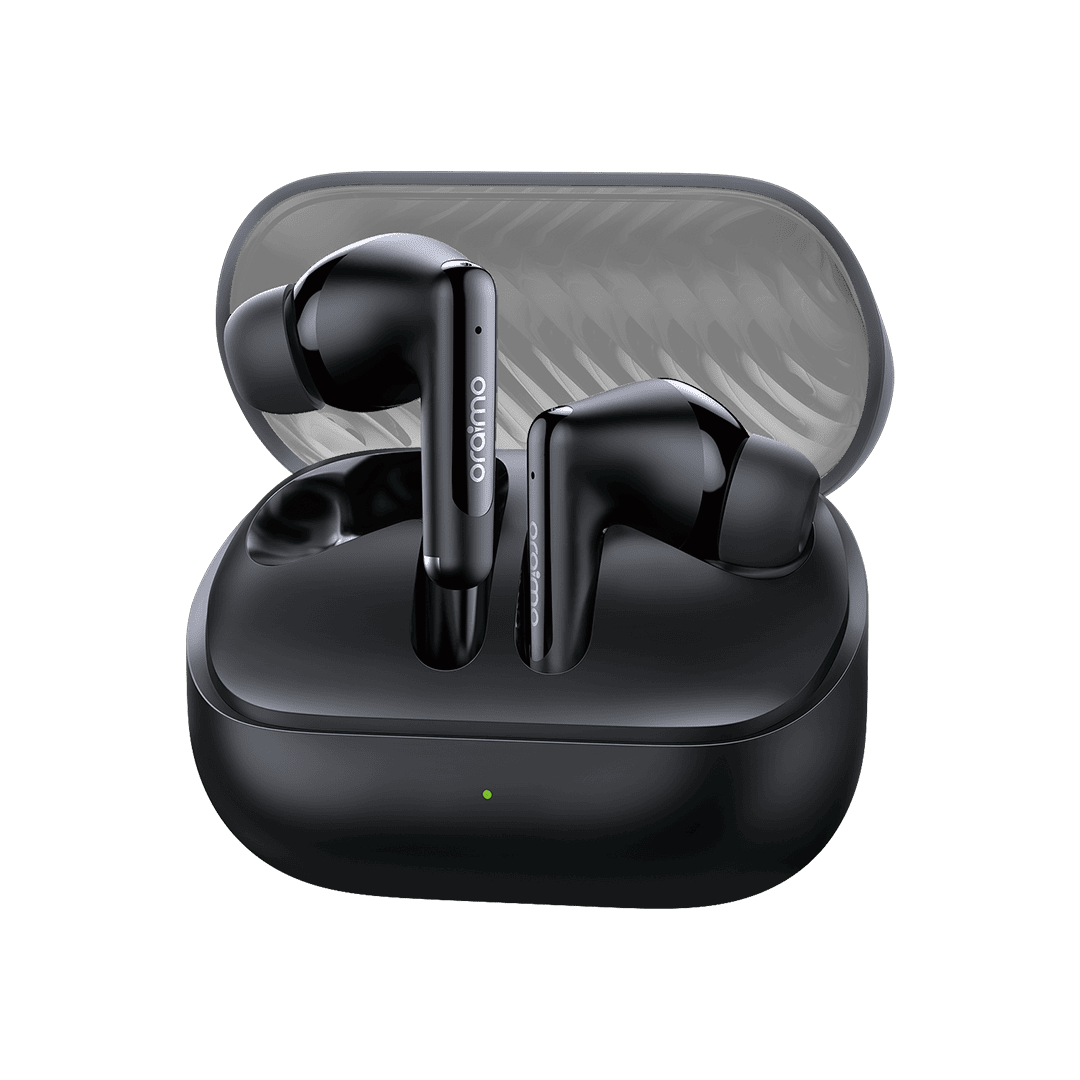
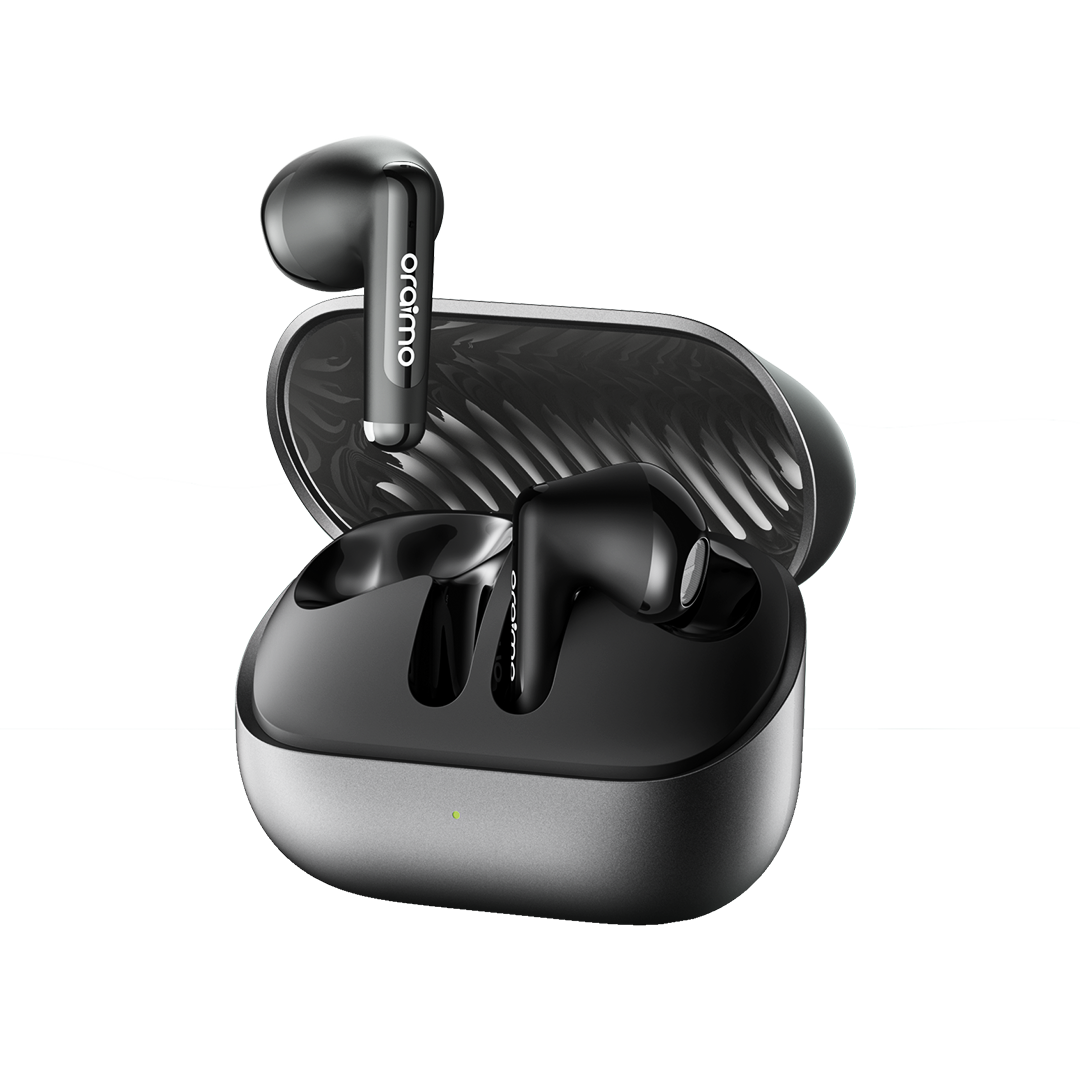
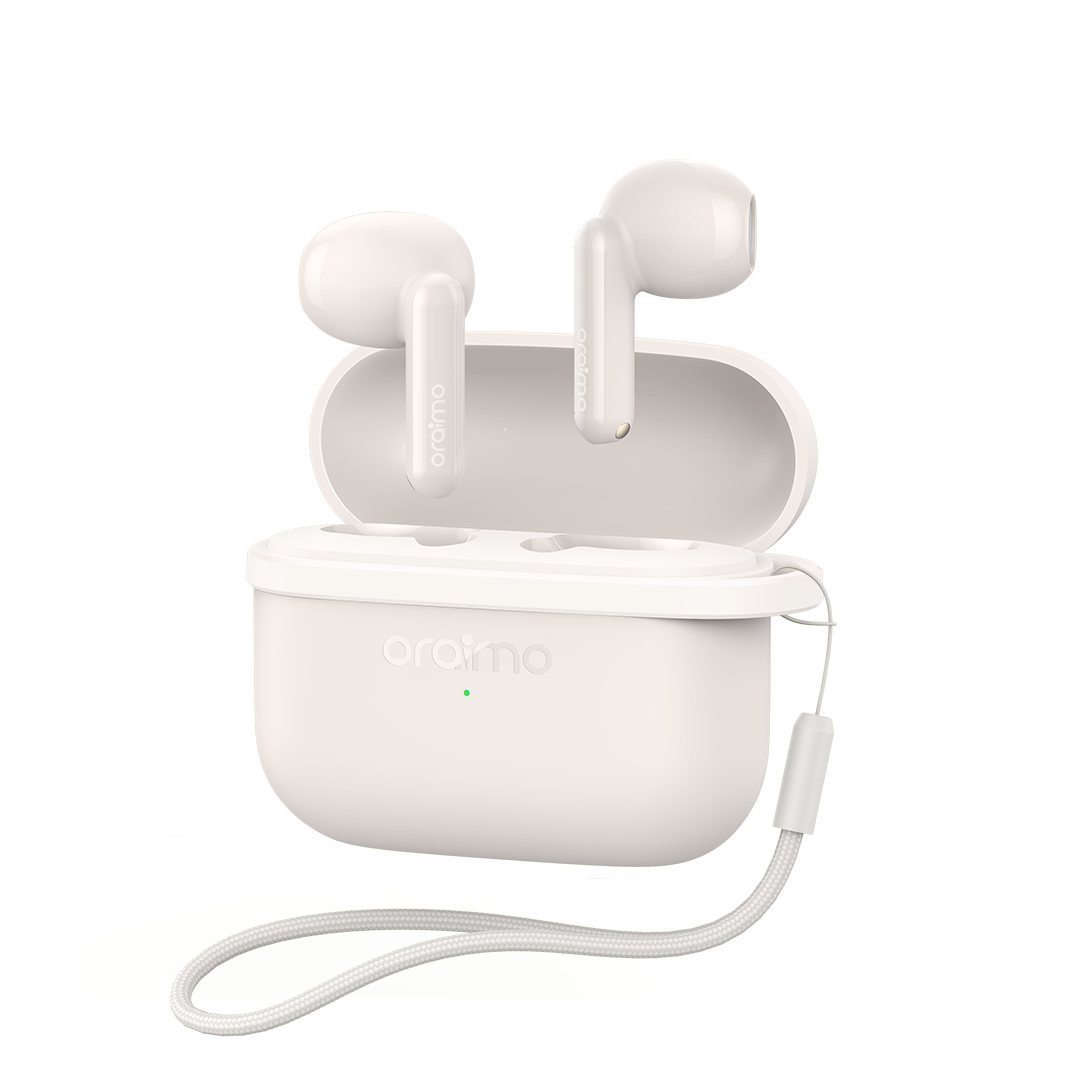
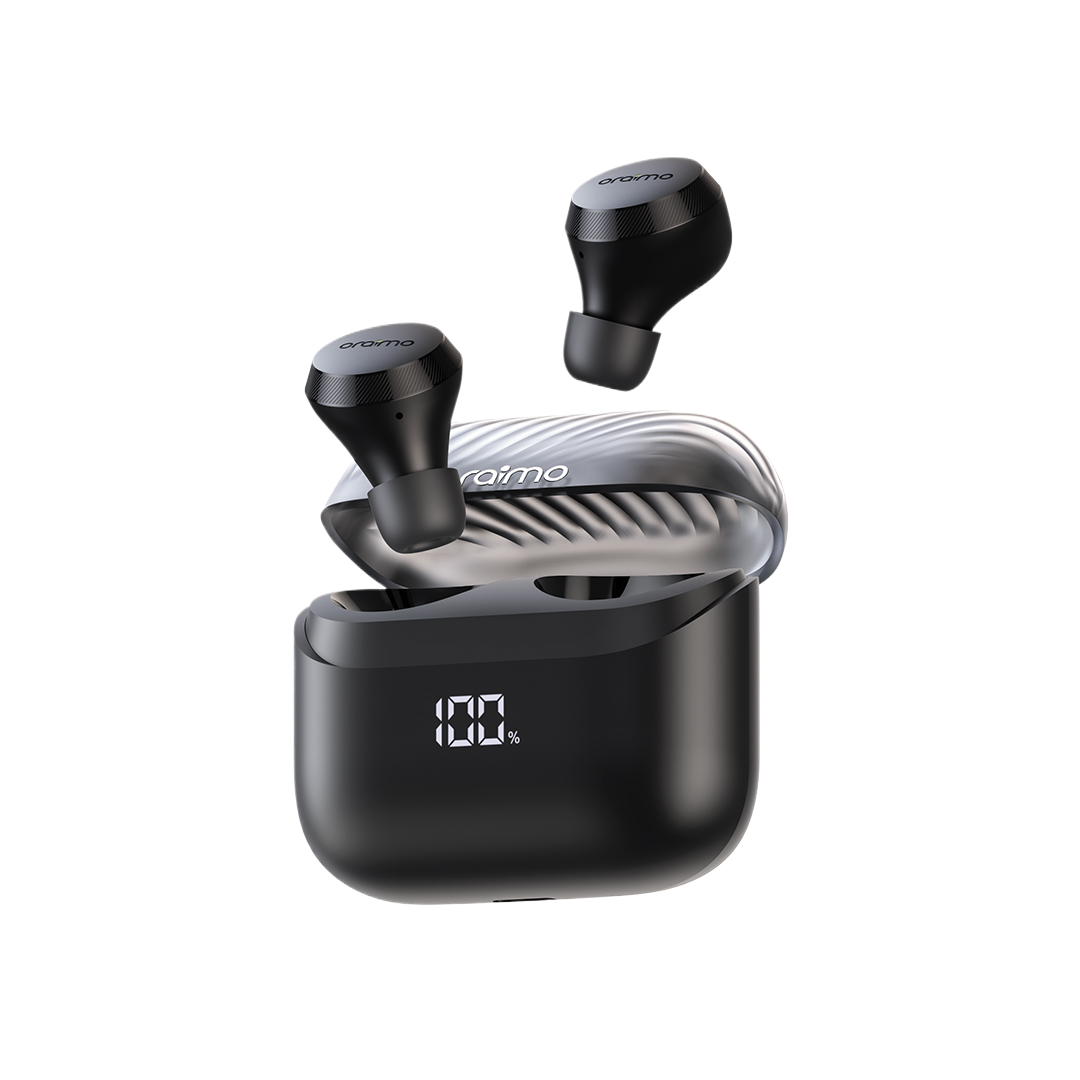
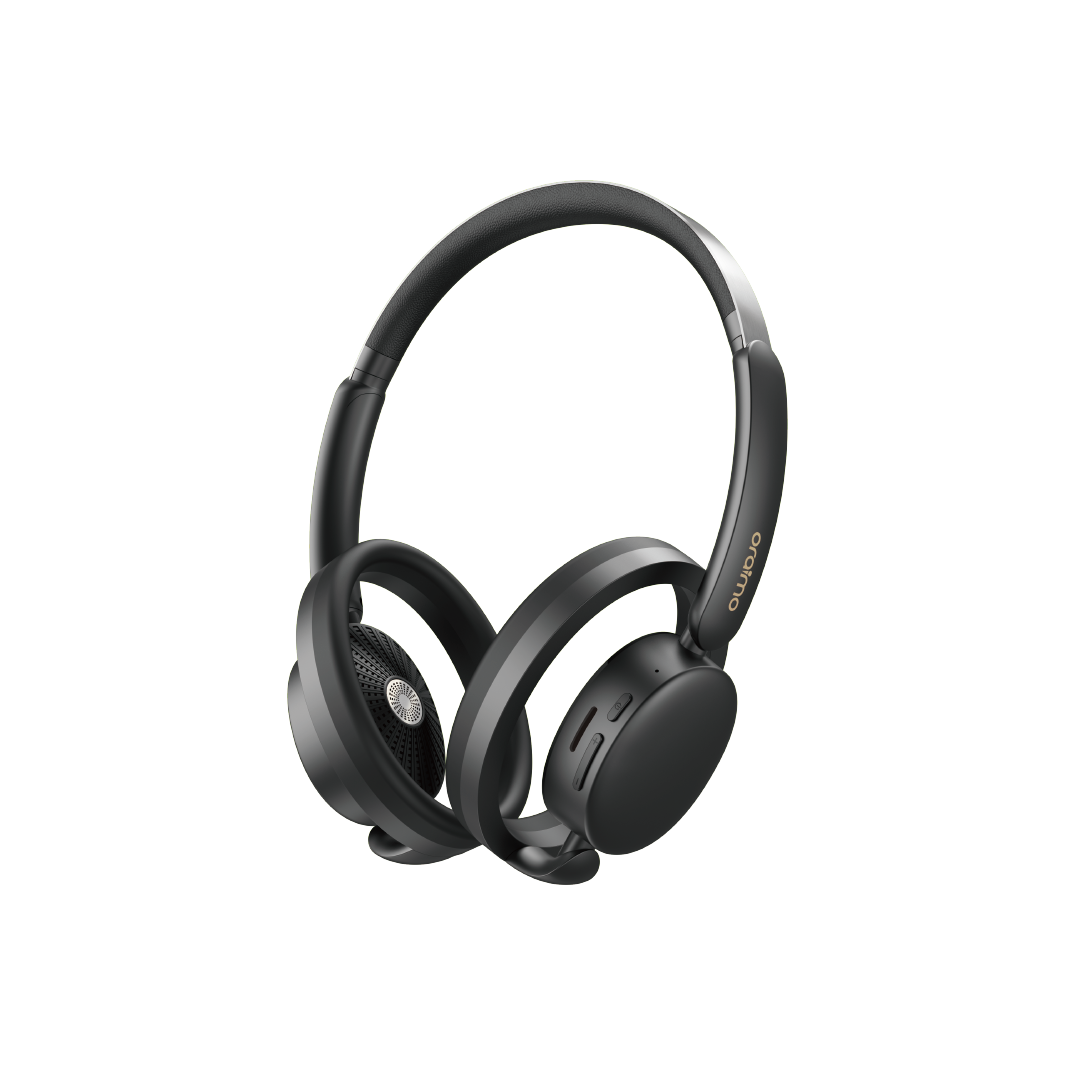
Explore oraimo’s open-ear headphones for awareness-focused listening, or compare its wireless earbuds for calls, music, commuting and everyday entertainment.
Editorial note: This guide is based on product-category information, Nigerian buyer needs and practical audio-selection principles. No hands-on testing is claimed, and individual fit, comfort and sound preferences will vary.