oraimo store
 4.8+
4.8+
4.8+
Download & Enjoy APP Exclusive Offers
4.8+

 Scan & Download oraimo store App






 Scan & Download oraimo store App
Scan & Download oraimo store App
Scan & Download oraimo store App
Scan & Download oraimo store App
Scan & Download oraimo store App
Scan & Download oraimo store App
Scan & Download oraimo store App
Scan & Download oraimo store App
Scan & Download oraimo store App
Recent Searches
Most frequently searchedView More
Recommendations
Your kitchen needs all those small appliances that help it function. Especially the modern Nigerian kitchen, whose many productions are only made possible with the help of smart kitchen appliances. But what does your kitchen actually need? A food processor? A blender? Or both? Getting both is rather unrealistic, considering that they both take up space on your kitchen counter. So you are better off choosing one that suits your cooking style and your needs.
This food processor vs Blender guide will discuss the ideal product for your Nigerian kitchen, weighing the pros and cons of each one. Read on to find out!
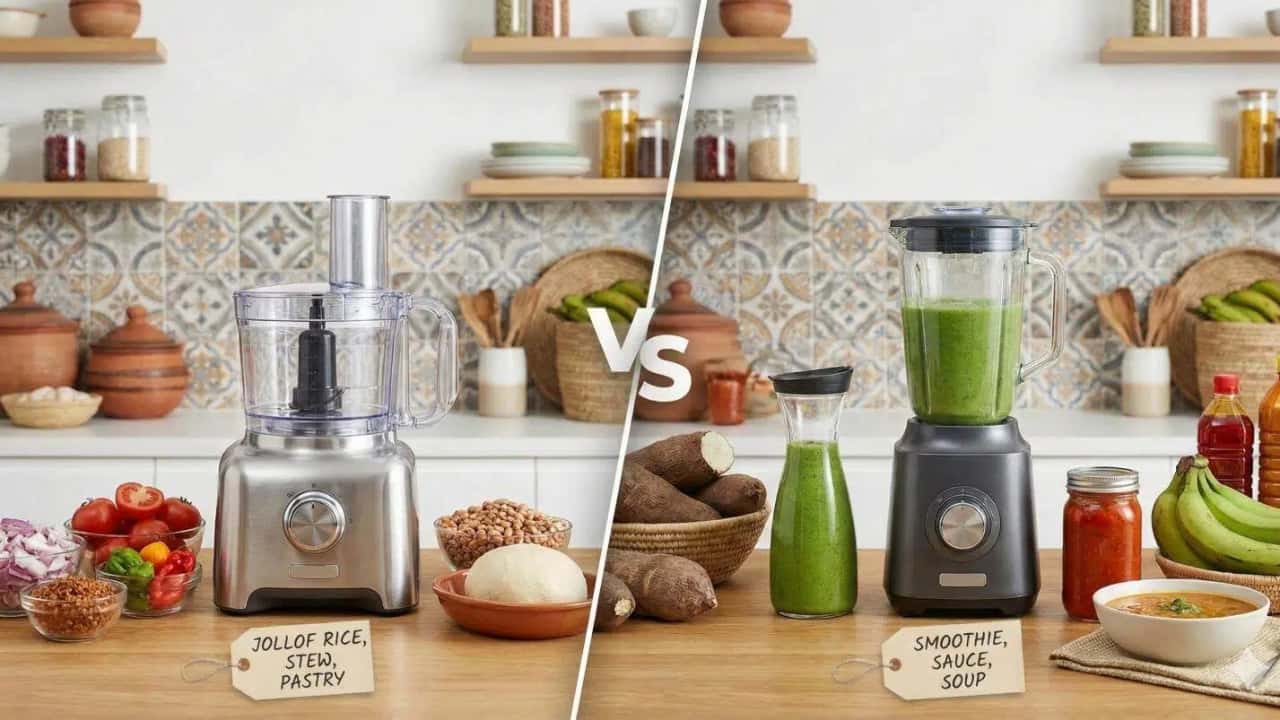
The best way to determine the ideal product for your kitchen is to ask yourself what each device actually does. After all, while they may look similar, you must consider the difference between blender and food processor, meaning their features and purposes. So, to get the best bang for your buck, you must study the key features that align with your envisioned needs.
The blender, as the name suggests, is designed to blend food items to give you a finer texture. To “blend” means to “combine” different ingredients or the same ingredient to produce a product such as milkshakes, purees, or smoothies. This electric appliance contains a set of fast-moving blades that grind together fruits, meats, and spices.
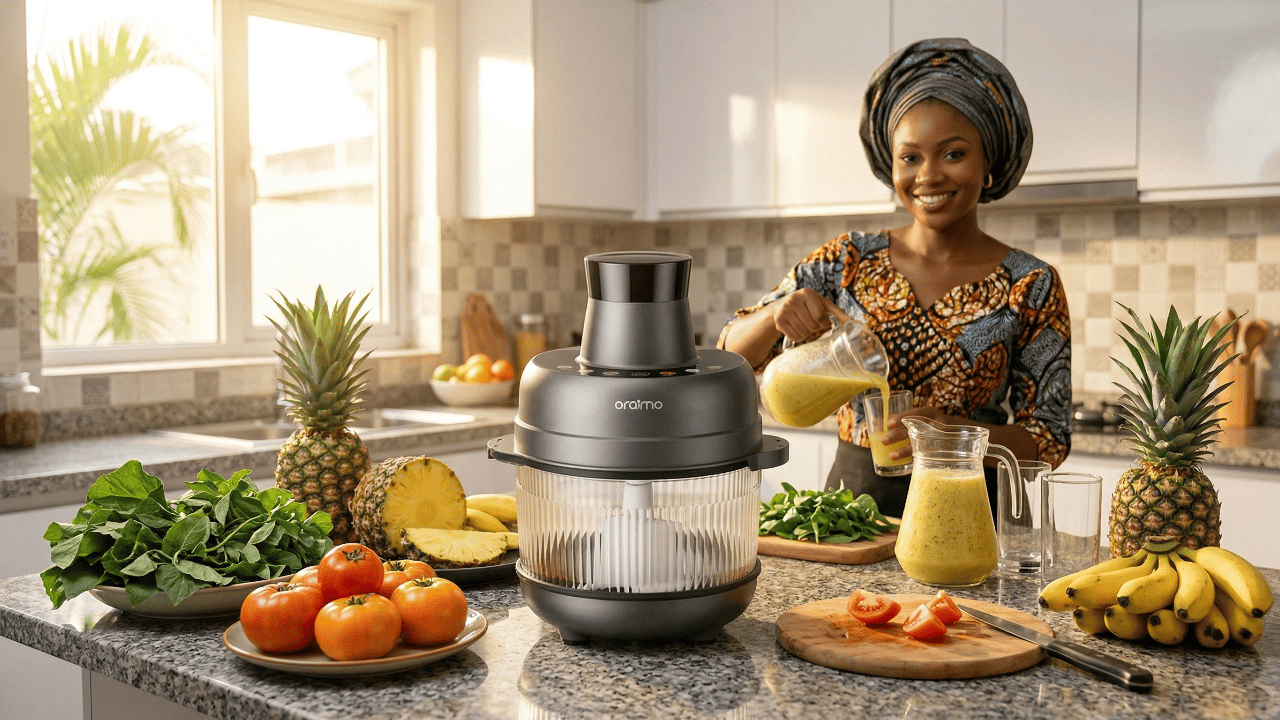
For example, simply throw in some tomatoes to create a smooth tomato purée that you can use in your stews in Nigeria. To make some spiced moi-moi (bean pudding) or akara, you can blend soaked beans. Or if you are looking for something to drink, you can blend fresh cucumber and lemon to create a Chapman. And for healthy drinkers, a fruit smoothie blend by a juice blender is just what you need.
One of the key features of a blender is the fixed blades inside the jar that begin moving to create a vortex, efficiently pulling ingredients toward the blades. This results in a smoother, consistent result.
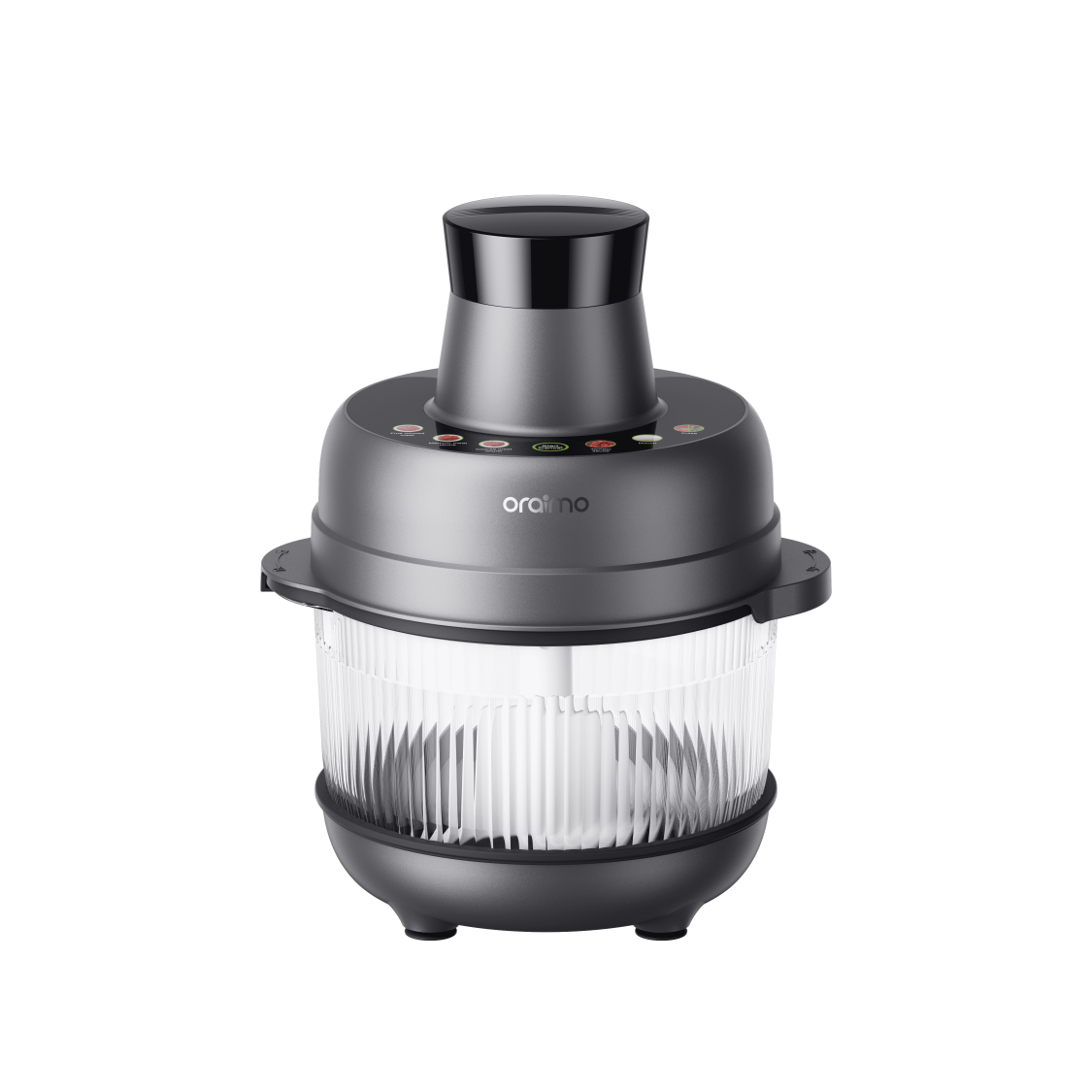
The food processor, in comparison, is a kitchen appliance that uses interchangeable blades or different attachments to perform several food preparation tasks. This can range from chopping and puréeing to shredding and slicing. In other words, it is a master of labor-intensive prep work that allows you to simplify meal prep considerably.
For Nigerians, it is ideal for quickly slicing cabbage for coleslaw. Additionally, you can chop okra, dice your onions and peppers for sauces (Atama/Ayamase), or even knead dough for puff-puffs.
Now, a food processor is equipped with several features that support this versatility. For example, it has a wide bowl that allows you to work with a larger quantity of ingredients, such as chopping vegetables or kneading dough, as we have discussed above. Furthermore, it has interchangeable discs or blades, allowing you to perform many cooking functions. Because of this, a food processor works best with solid or semi-solid foods, especially if a smooth texture or a fine purée is not necessarily your desired result.
Now let's see which appliance wins in your kitchen in this food processor vs blender comparison when it comes to Nigerian cooking.
Nigerian foods are known for their rich stews, typically made with tomatoes, bell peppers, and other vegetables. A blender's high-speed vortex can better break down these products into the required consistency. In contrast, food processors are meant to chop rather than liquefy. As a result, the base will be rather chunky as opposed to smooth. Of course, you might always prefer a textured stew, but this depends on your individual tastes.
Moi-moi or akara is a cloud-like, smooth, soft bean pudding made by grinding beans to a paste-like consistency. Food processors typically do not achieve the texture that is required for such signature recipes. Instead, you will end up with a grainy texture. In contrast, blenders ensure your beans are uniformly blended for your recipe. This is another point in the food processor vs blender comparison where blenders tend to win.
We have talked about blending wet ingredients, but what about your dry ingredients, such as your egusi seeds, crayfish, and ogbono (African mango)? The first choice is definitely food processors that can handle these ingredients.
However, there is a catch: the wide bowl makes it much more difficult to blend these ingredients without them being concentrated at the center. This is why blenders are typically preferred, especially those with dry-mill attachments, which are excellent at grinding such ingredients together. You can even grind rice into rice flour or make your own homemade breadcrumbs!
When it comes to salads and coleslaw, your food processor will definitely give you the uniform slicing of ingredients that you need, the type of results that your knife alone could never achieve. Within seconds, you will have perfectly sliced cabbage, evenly diced onions and carrots, etc. A blender would perhaps fail here.
However, you also need to consider whether it's worth buying the entire food processor just for occasional salad prep.
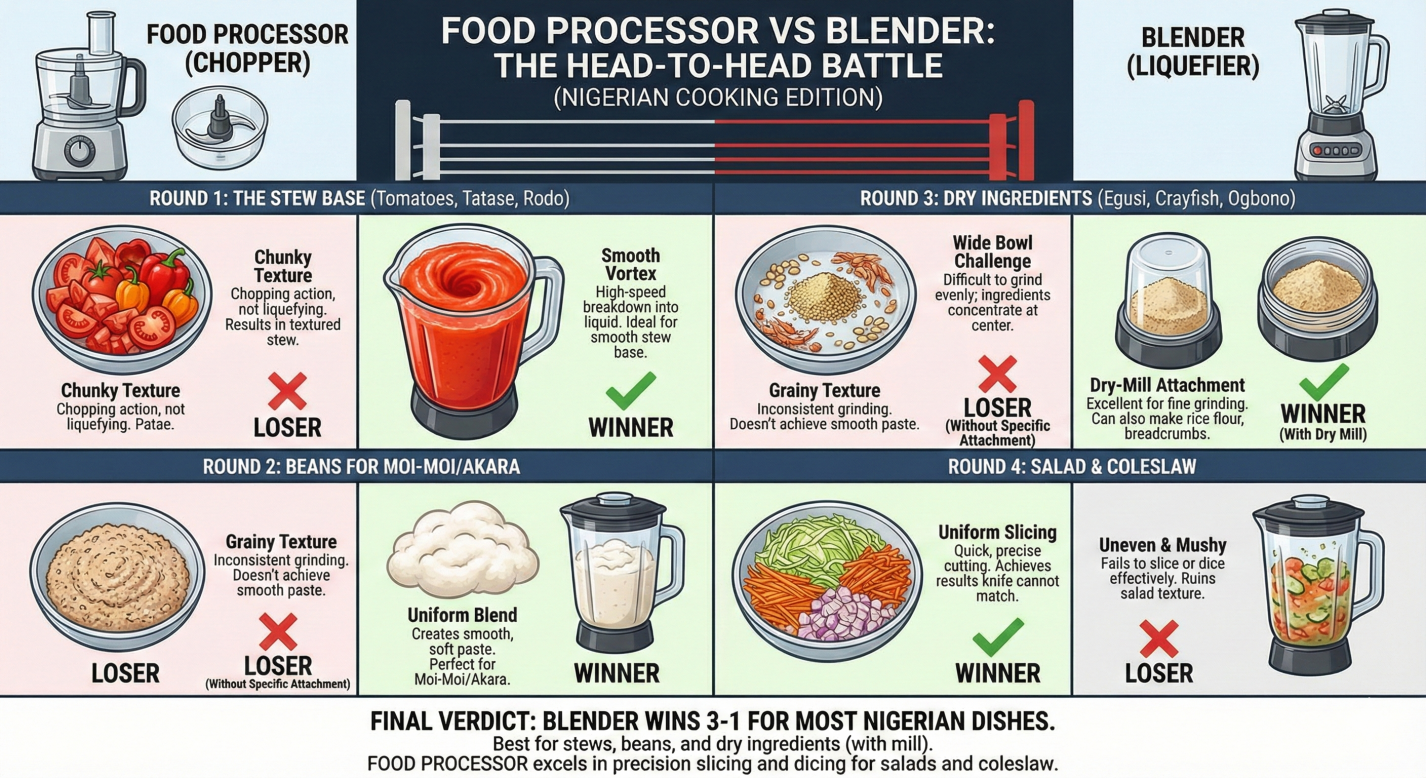
Now it's time to make your final choice. First, let’s give you the reality check you need. Nigerian cuisine revolves around soups, stews, and swallows. In any given week, you are much more likely to make soup or process your beans than to make a salad. This is why it is much more convenient to have a blender that handles the majority of your meal prep.
Then comes the space and cost factor. Most families avoid buying two separate machines because they would take up considerable space. However, wouldn't it be more practical to invest in a machine you will use daily than an appliance that you will occasionally use? In these cases, a blender again is the best choice.
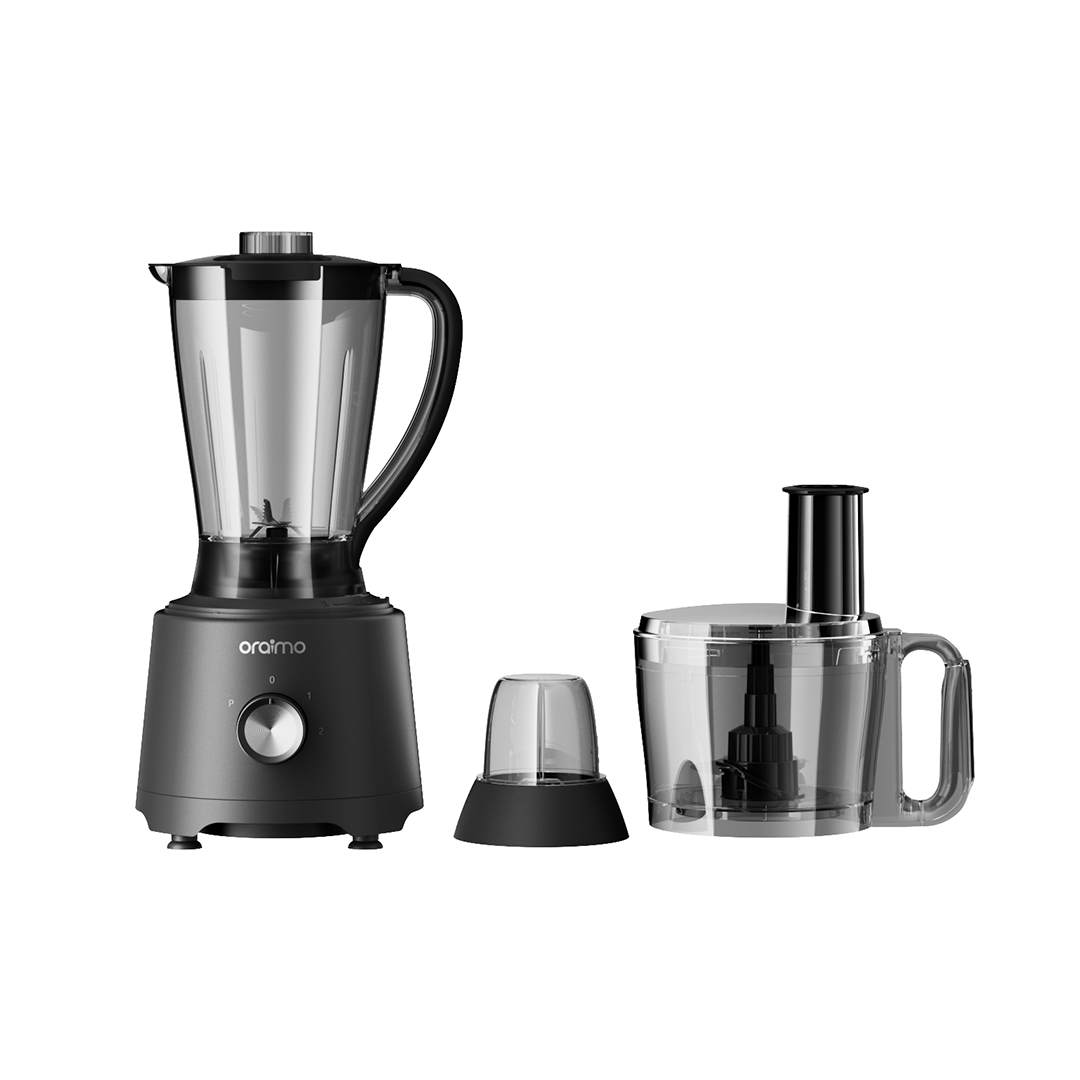
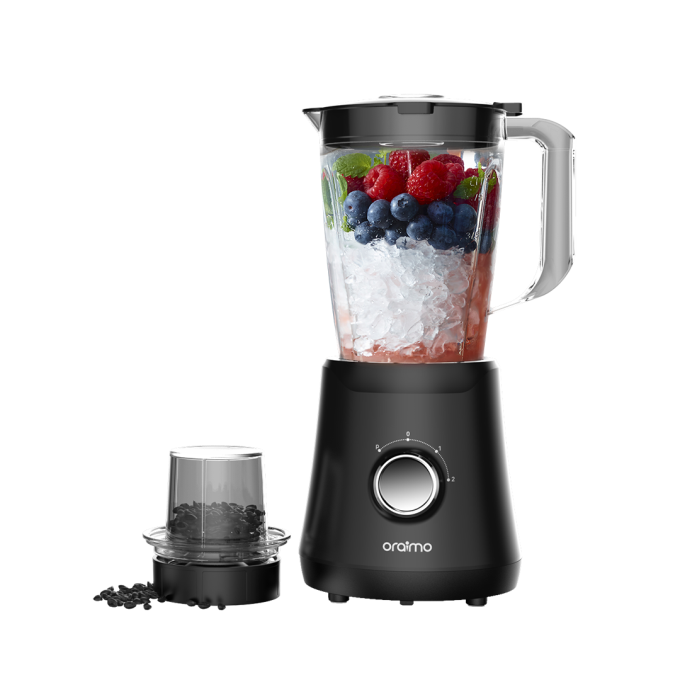
And then of course, there is a smarter solution that you might have overlooked. That is to get the best features of a blender and a food processor in one. Yes, we are talking about a high-performance blender that comes with multifunctional attachments! These handy devices come with grinding jars, dry-milling attachments, chopping blades, and more!
Not sure which brand to buy from? Check out our offerings below from oraimo!
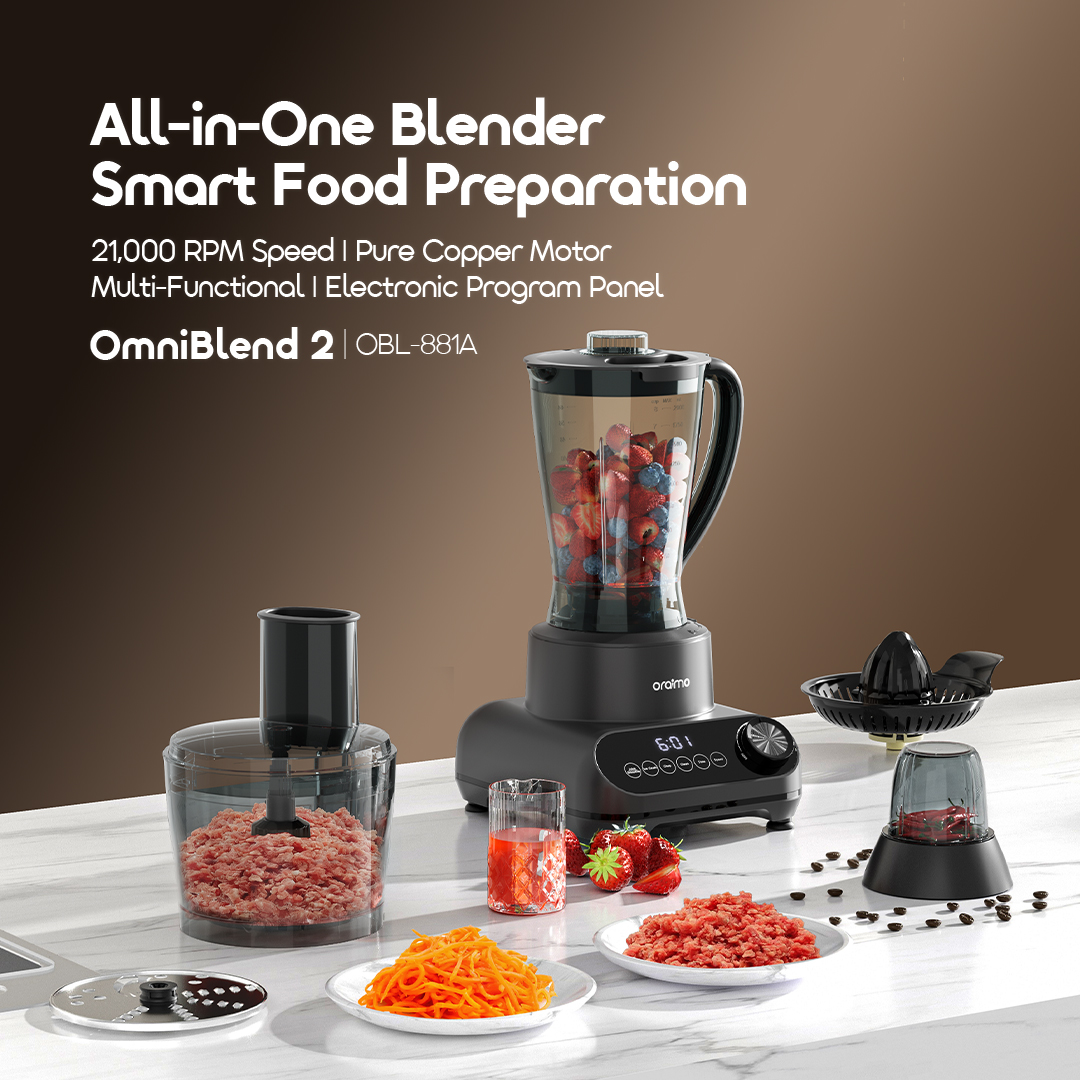
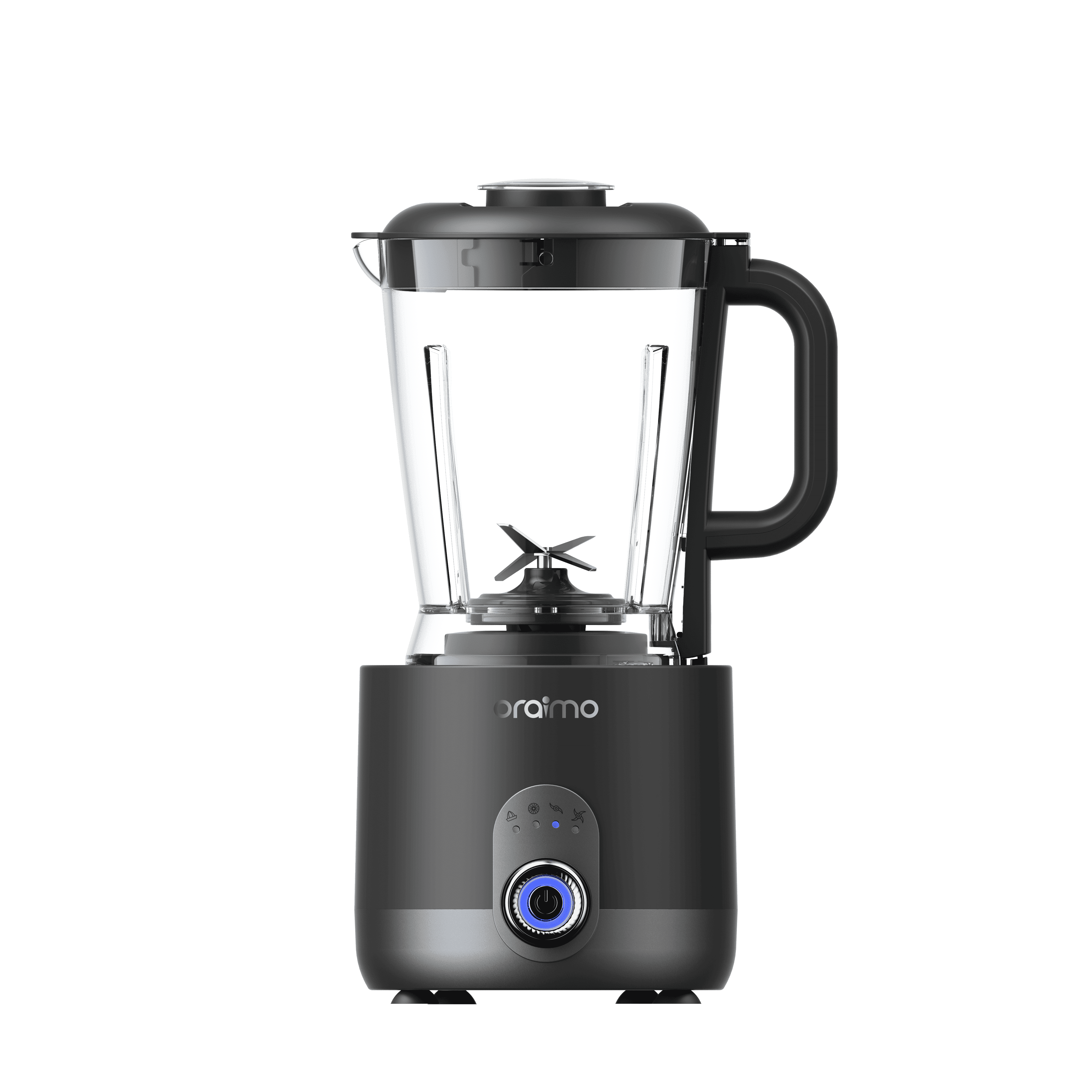
First, we have the oraimo OBL-881A OmniBlend 2, a 5-in-1 blender with 21000 RPM speed. With a sleek 3D blade structure and S-shaped blades, it blends a wide range of foods quickly and efficiently. It further offers five functional designs, ranging from chopping to shredding to slicing and blending, and even grinding, thanks to its many attachments. And since this is a smart blender, you can expect an intelligent control system that lets you set custom speed and time for every operation.
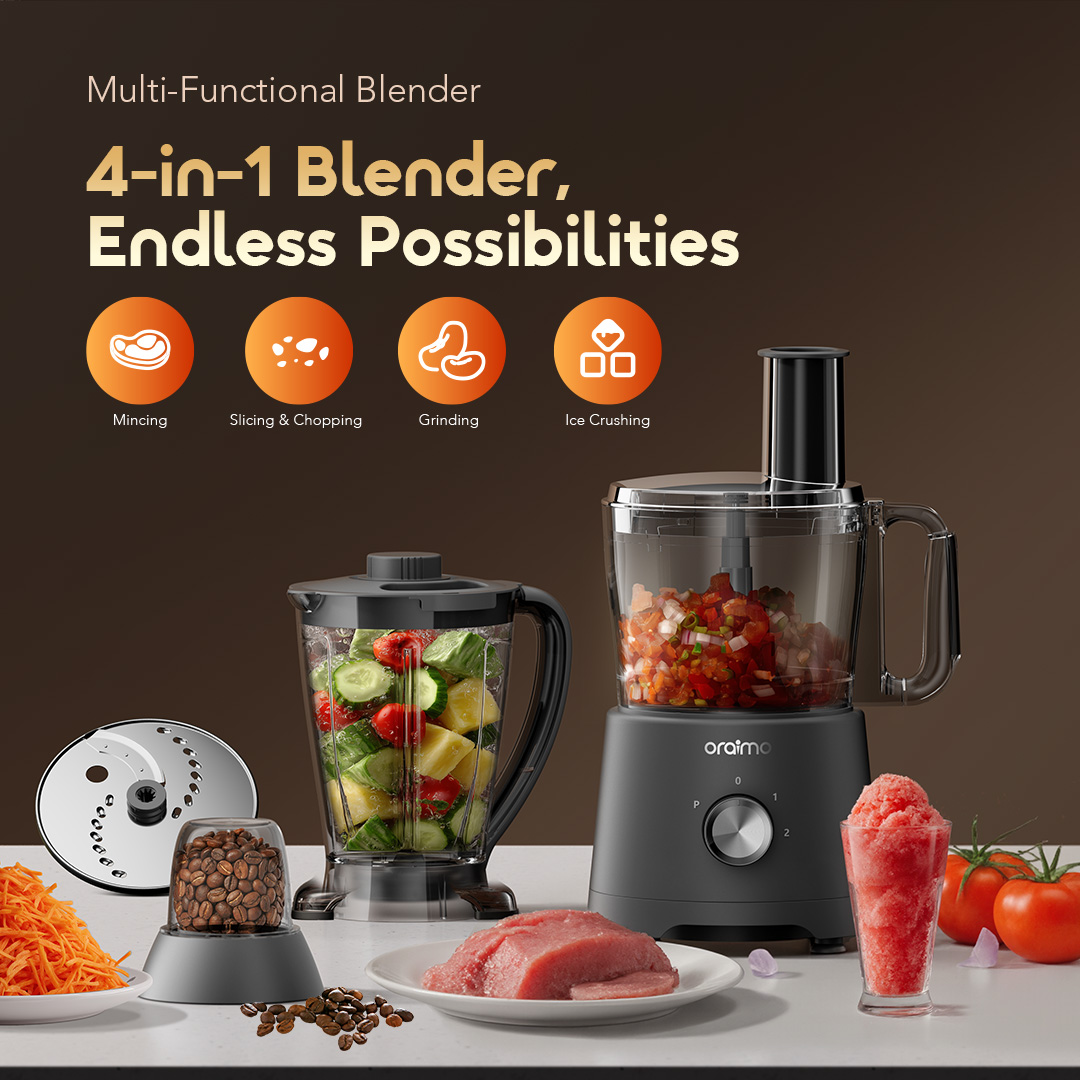
The oraimo OBL-581A OmniBlend 1500W 4-in-1 Multifunctional Blender is our next top choice. It is ideal for those who want a more budget-friendly option, especially if you are running a smaller household. For one, it contains a 1500W pure copper motor that allows you to mince meat, slice and dice, grind and crush ice as needed. In total, it performs four operations with its many attachments.
Choosing the winner in the food processor vs blender discussion means understanding which offers what. But the best way forward is to choose an appliance that takes the best features of each one and gives them to you. High-quality multifunctional blenders such as those at oraimo deliver more value than any single-purpose machine. If you’re ready to learn more, check us out at oraimo