oraimo store
 4.8+
4.8+
4.8+
Download & Enjoy APP Exclusive Offers
4.8+

 Scan & Download oraimo store App






 Scan & Download oraimo store App
Scan & Download oraimo store App
Scan & Download oraimo store App
Scan & Download oraimo store App
Scan & Download oraimo store App
Scan & Download oraimo store App
Scan & Download oraimo store App
Scan & Download oraimo store App
Scan & Download oraimo store App
Picture this: it is a Sunday afternoon, and you are about to blend tomatoes and peppers for your big pot of stew. You switch on your blender, and halfway through — gbam! — the motor starts smelling, the jar cracks, and your blending session is over before it even started.
A blender machine in a Nigerian home works hard every single day. Nigerian home works hard every single day. With so many types of blenders now flooding the Nigerian market in 2026, choosing the right one has never been more important, or more confusing. This guide breaks down the major types of blenders available in Nigeria, what each one does best, and how to pick the one that actually fits your kitchen and your budget.
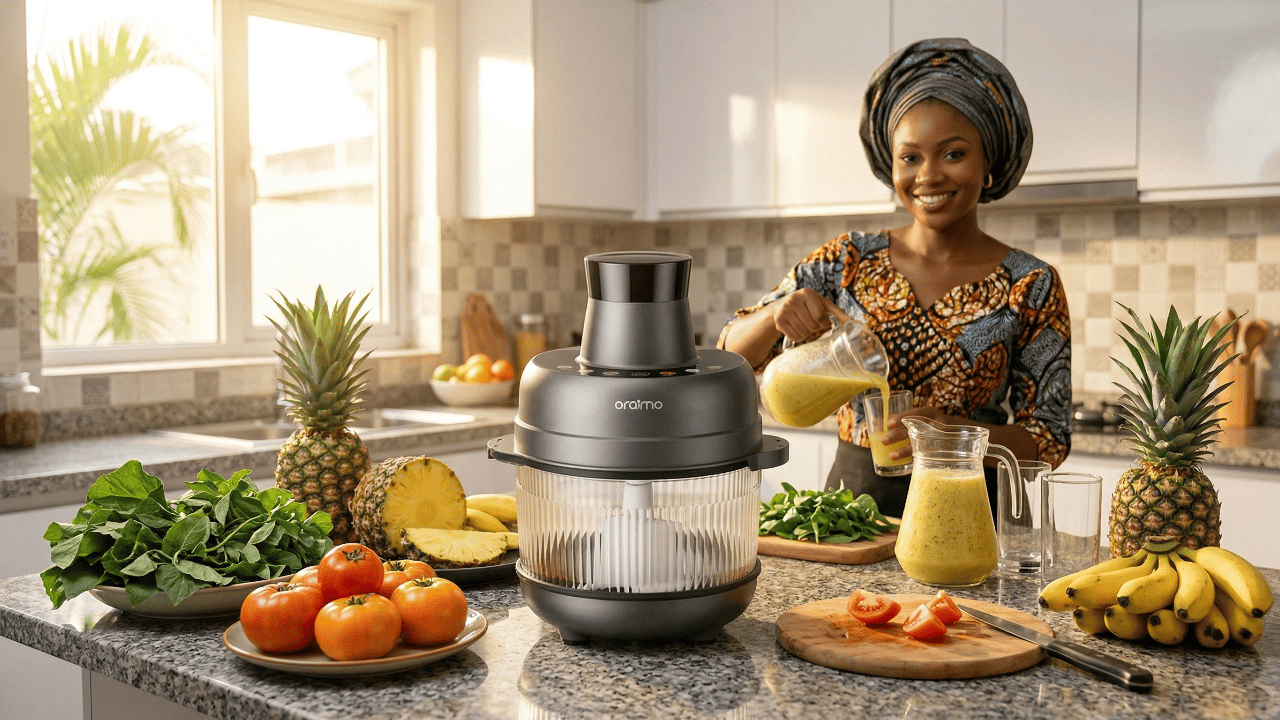
Nigerian cooking is not light work. Think about what goes into a pot of egusi soup or a big batch of tomato stew. You are dealing with tough, fibrous peppers, dried fish, crayfish, and sometimes even hard grains. That kind of heavy-duty blending is not what every blender machine is designed to handle.
On top of that, many Nigerian homes deal with unstable power supply. A blender that cannot handle voltage fluctuations will trip, overheat, or burn out faster than you expect. This is why buying the wrong blender does not just cost you money once — it costs you again and again through frequent repairs and replacements.
The right blender, on the other hand, saves you time, saves you energy, and saves you money in the long run. When you match the blender to your actual cooking needs, you get better results, a longer-lasting machine, and a much less stressful kitchen experience.
Let us go through the major types of blenders you will find on the Nigerian market today, so you know exactly what you are choosing between.
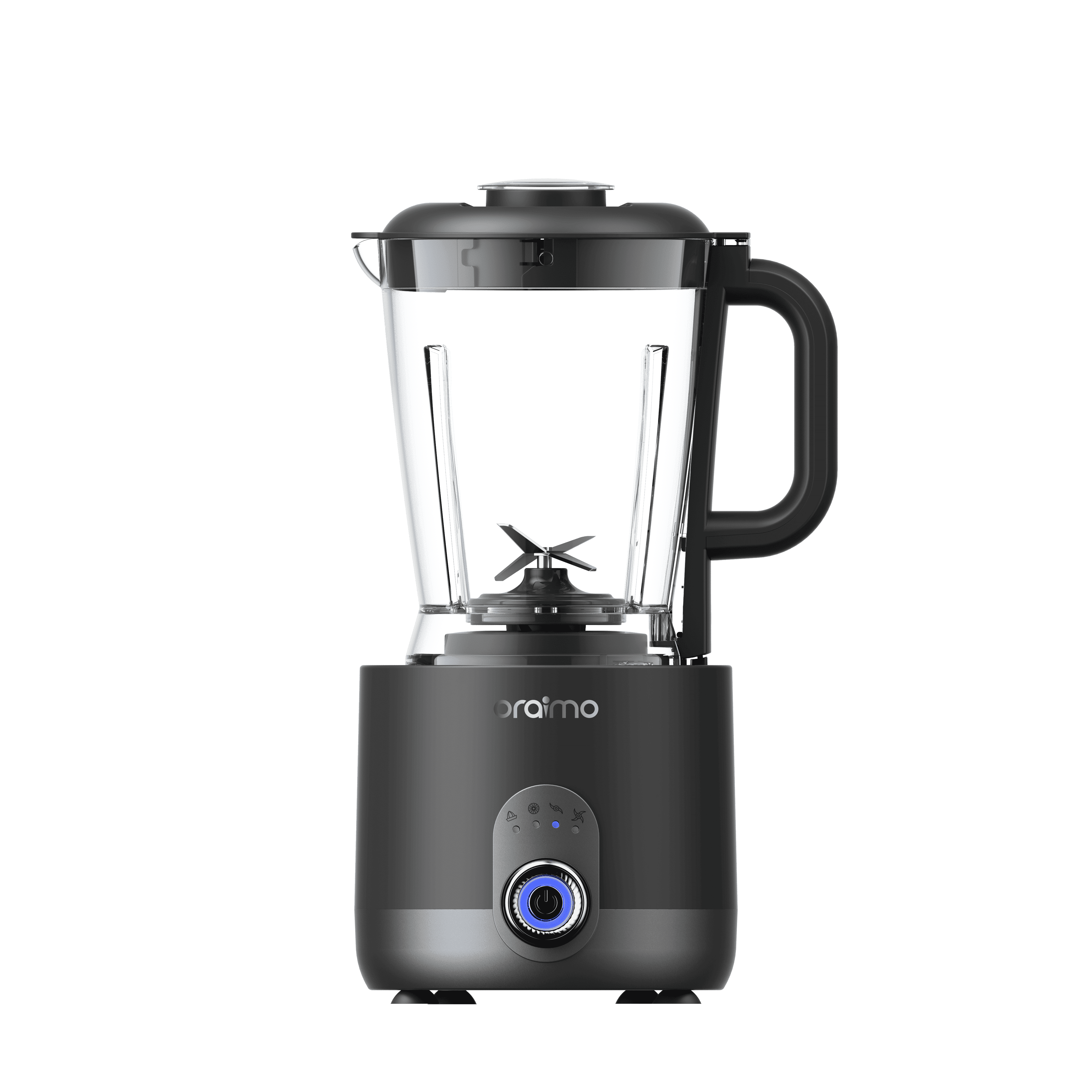
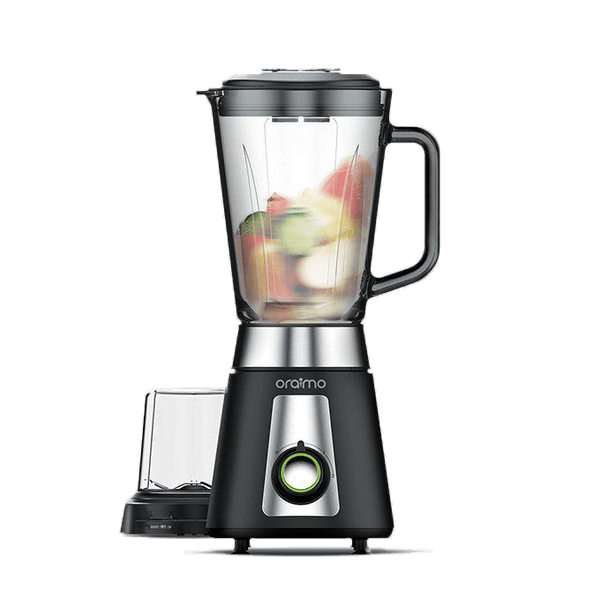
This is the most popular type of blender in Nigerian homes, and for good reason. The countertop blender — also called a jug blender — sits on your kitchen counter, ready to handle anything you throw at it.
Most countertop models in Nigeria run between 400W and 800W, which is enough for most household cooking tasks. They usually come with a large-capacity jar — typically 1.5 to 2 litres — so you can blend in decent quantities.
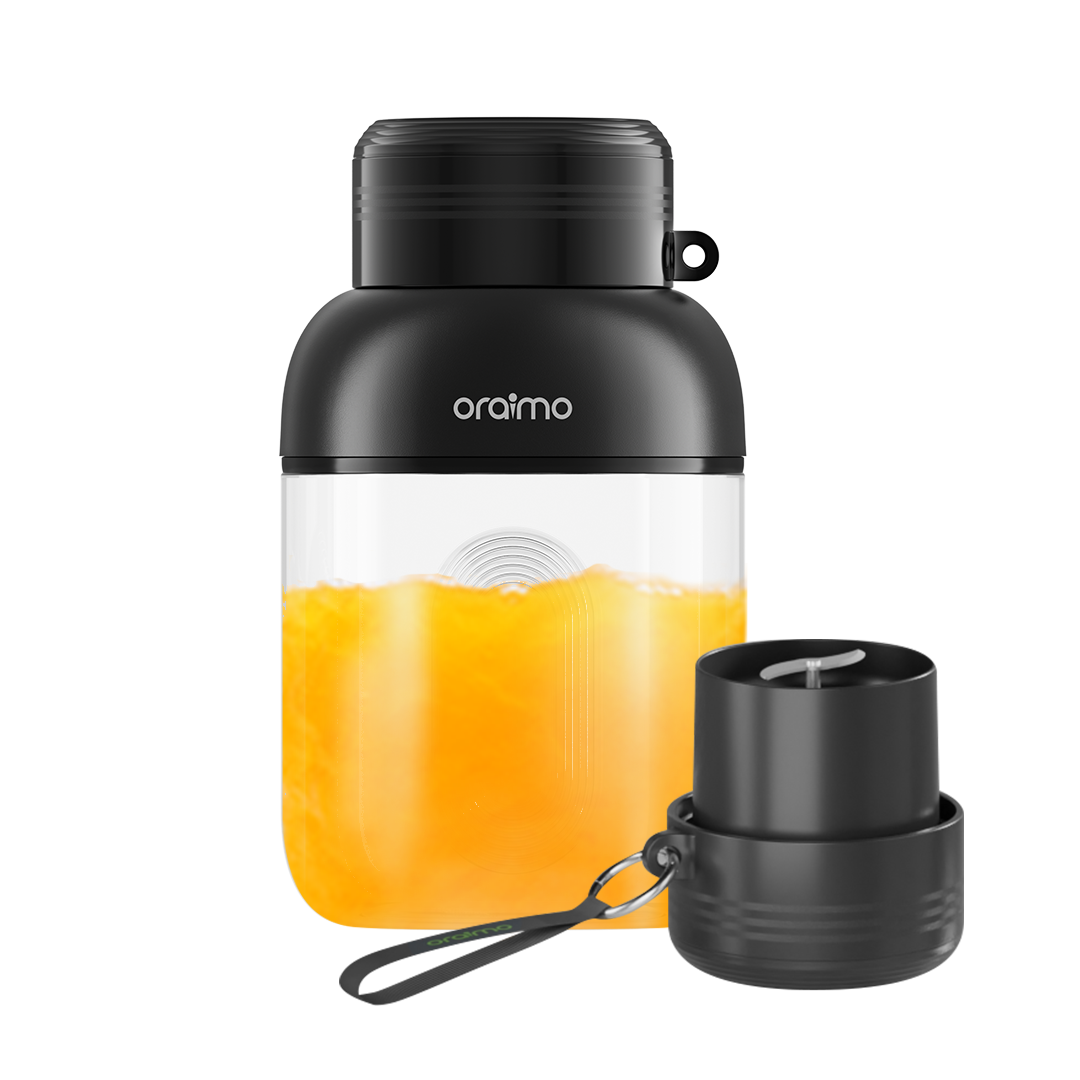
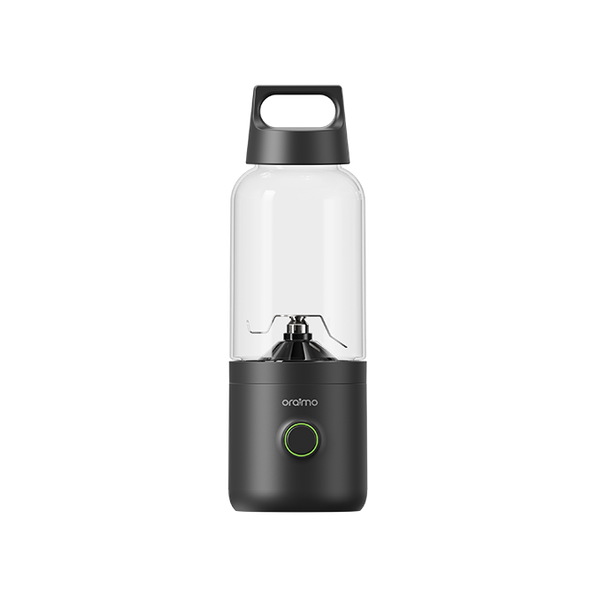
The personal blender — often called a bullet blender — is compact and designed for single-serve portions. You blend directly in the cup, screw on the lid, and drink from it. Simple.
These are popular among health-conscious Nigerians, students living in hostels or off-campus apartments, and busy professionals who just need a quick smoothie or protein shake in the morning.
They are affordable too, with most options sitting in the N25,000 to N80,000 range.
The immersion blender — also called a hand blender or stick blender — is a handheld device that you dip directly into a pot, bowl, or cup to blend. There is no jar. Just the stick and the blade at the bottom.
It is a great tool for blending soups and sauces directly in the pot without transferring hot liquids to a jar, which can be risky. It is also very space-saving, which makes it useful if you live in a compact apartment or want a secondary blender to complement your main one.
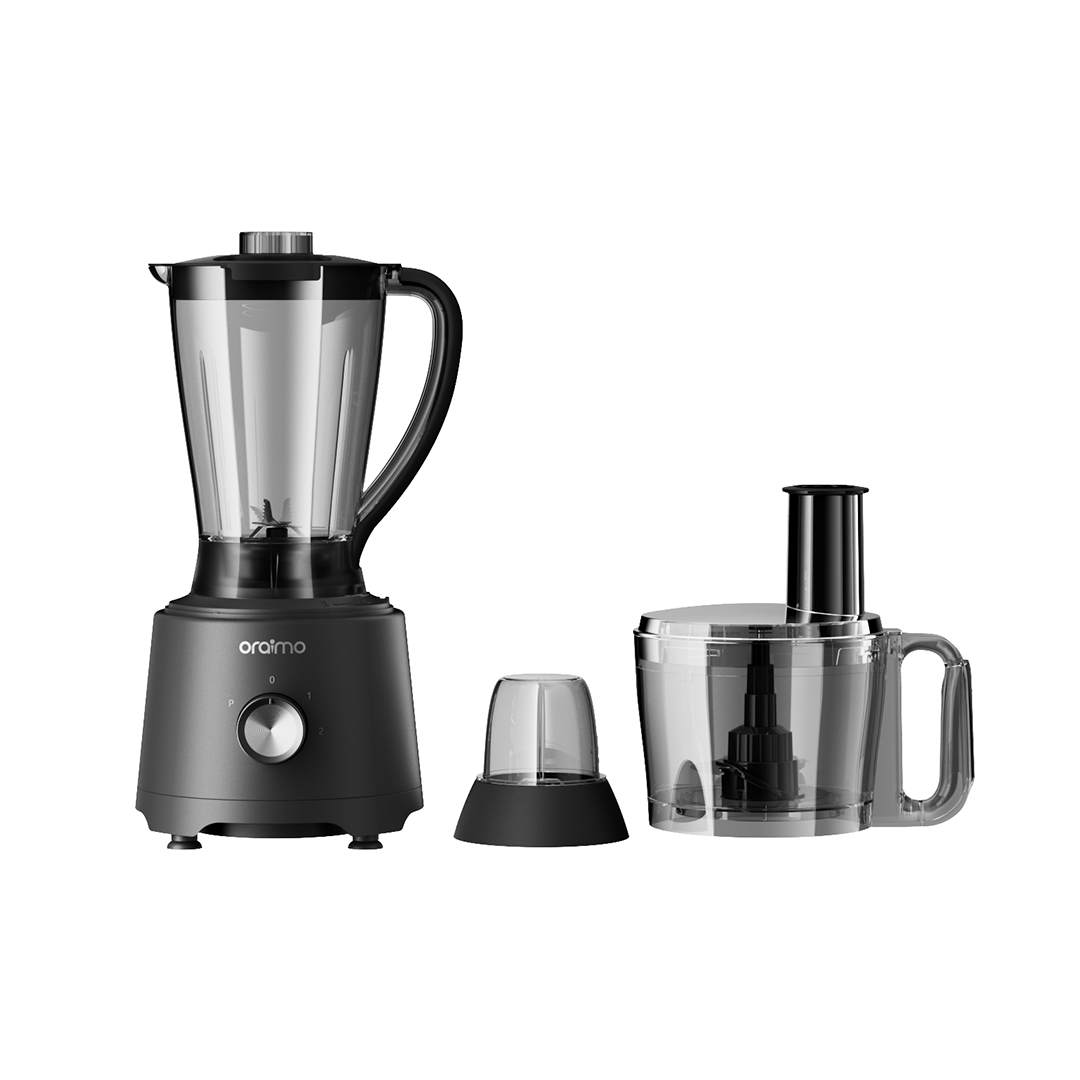
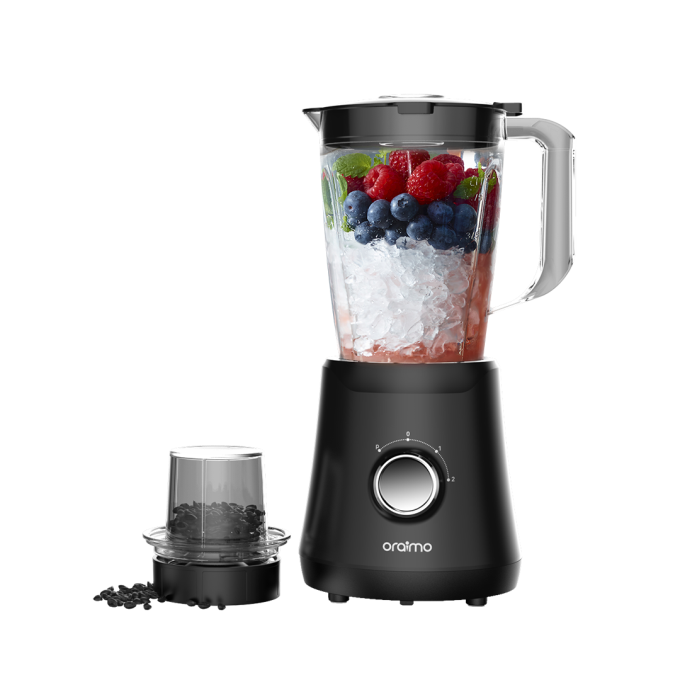
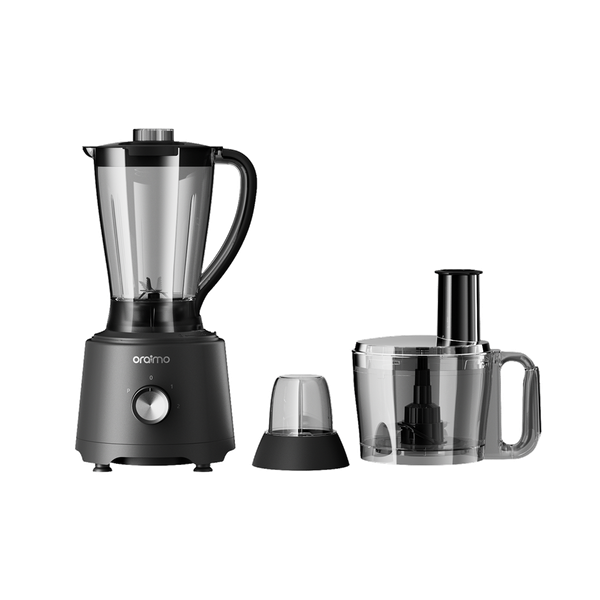
This is where things get interesting for the typical Nigerian household. The 3-in-1 blender comes with multiple jars — usually a large blending jar, a dry mill for grinding, and a smaller grinding cup for spices.
This means one blender grinder can handle your tomato blending, your crayfish grinding, your egusi milling, and your vegetable chopping. It replaces what used to be three or four separate kitchen tools, which is excellent value for money.
It is a popular upgrade from the basic countertop model, and you will find it in many middle-class Nigerian kitchens today.
The multifunctional blender is essentially a 3-in-1 blender with even more capabilities. Think extra attachments like a dough hook for kneading, a meat grinder, or a juicer. These blenders are built for the home cook who wants to do everything in one kitchen appliance.
If you bake, make fresh juices, grind meat, and blend soups all in one week, this kitchen blender will feel like it was made for you. The convenience of having one powerful machine replace multiple appliances is a real benefit, especially in kitchens where space and budget are managed carefully.
If you run a pepper grinding business, own a restaurant, or cook for a large family regularly, this is the category you need to look at. Commercial and high-performance blenders come with heavy-duty motors ranging from 1,000W to over 2,000W. They are built for continuous use and can handle the toughest ingredients without breaking a sweat.
These are not typical household items, but many small business owners in Nigeria rely on them daily. They can process large volumes quickly and hold up even under constant, heavy use.
|
Type |
Best For |
Wattage |
Capacity |
Price Range |
Ideal User |
|
Countertop / Jug |
Pepper, soups, smoothies |
400-800W |
1.5L-2L |
N30k-N150k |
Most households |
|
Personal / Bullet |
Smoothies, shakes |
200-400W |
0.5L-1L |
N25k-N80k |
Students, singles |
|
Immersion / Hand |
Soups, purees, sauces |
150-300W |
N/A |
N15k-N60k |
Small kitchens |
|
3-in-1 Blender |
Pepper, crayfish, egusi |
400-700W |
1.5L+ |
N40k-N120k |
Average household |
|
Multifunctional |
Multi-tasking, meal prep |
500-1000W |
2L+ |
N80k-N250k |
Serious home cooks |
|
Commercial / High-Perf |
Business, restaurants |
1000-2000W+ |
2L+ |
N150k-N500k+ |
Business owners |
Now that you know the different types of blenders available, here is what to check before you make your purchase.
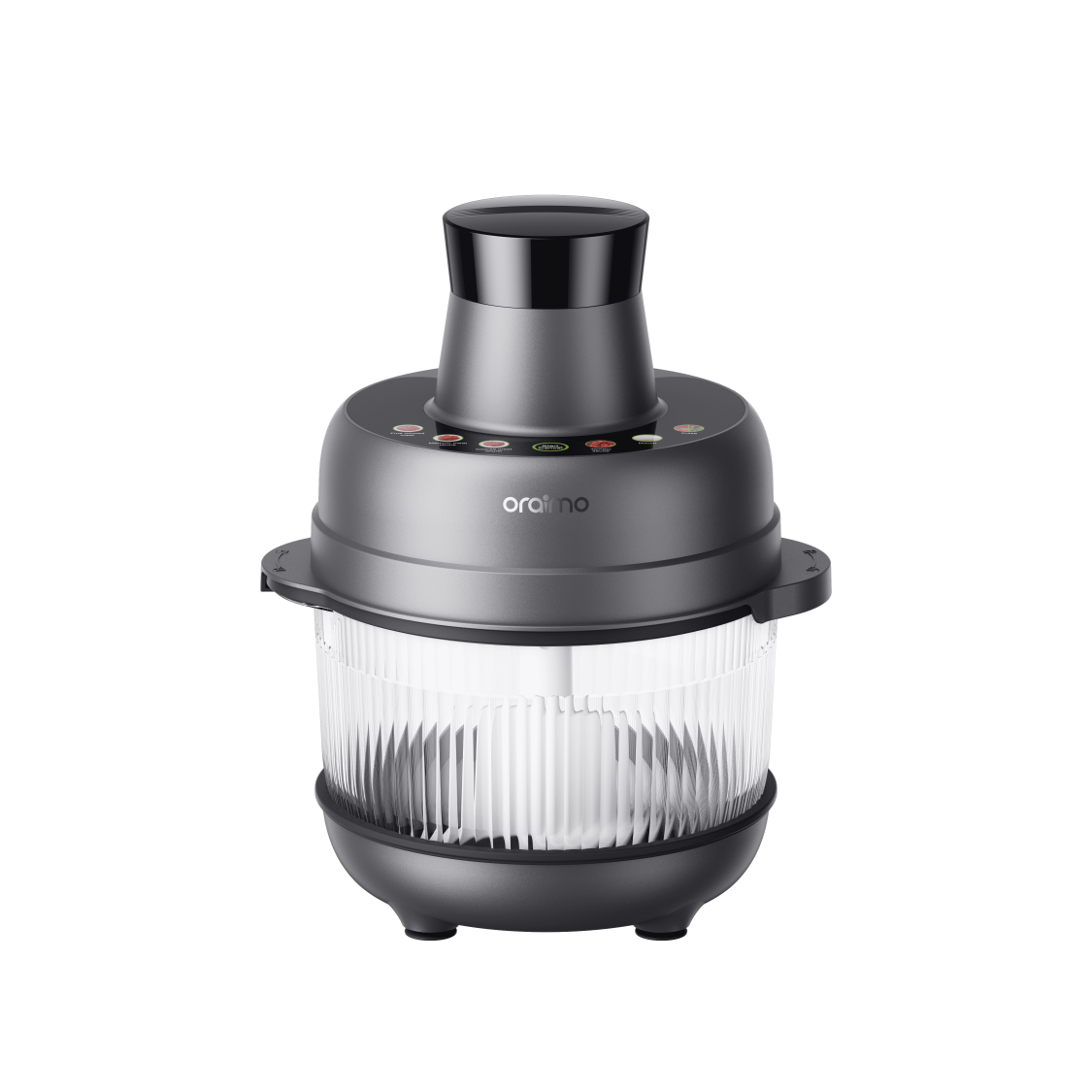
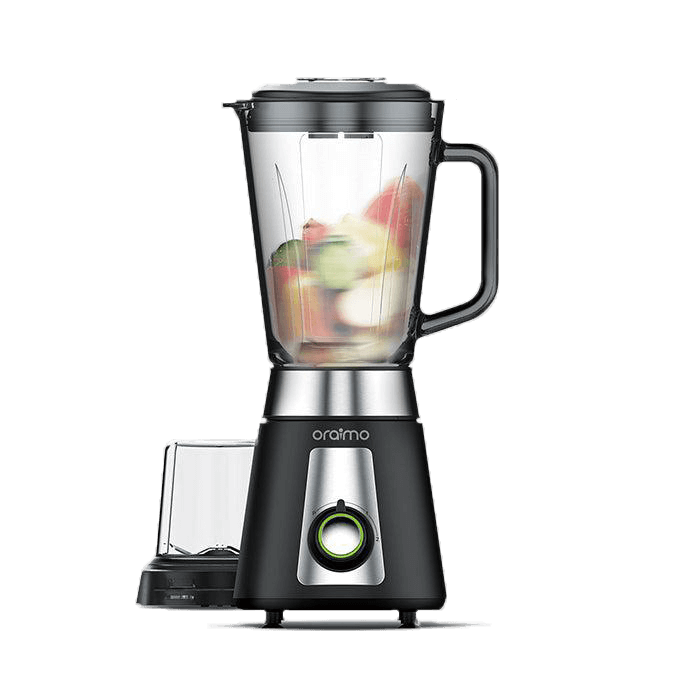
At oraimo, we understand exactly what Nigerian kitchens demand. That is why we are proud to recommend the oraimo PowerMince Pro (OBL-281A) — a blender machine that was designed with real Nigerian cooking in mind.
Here is why the oraimo PowerMince Pro deserves a spot in your kitchen:
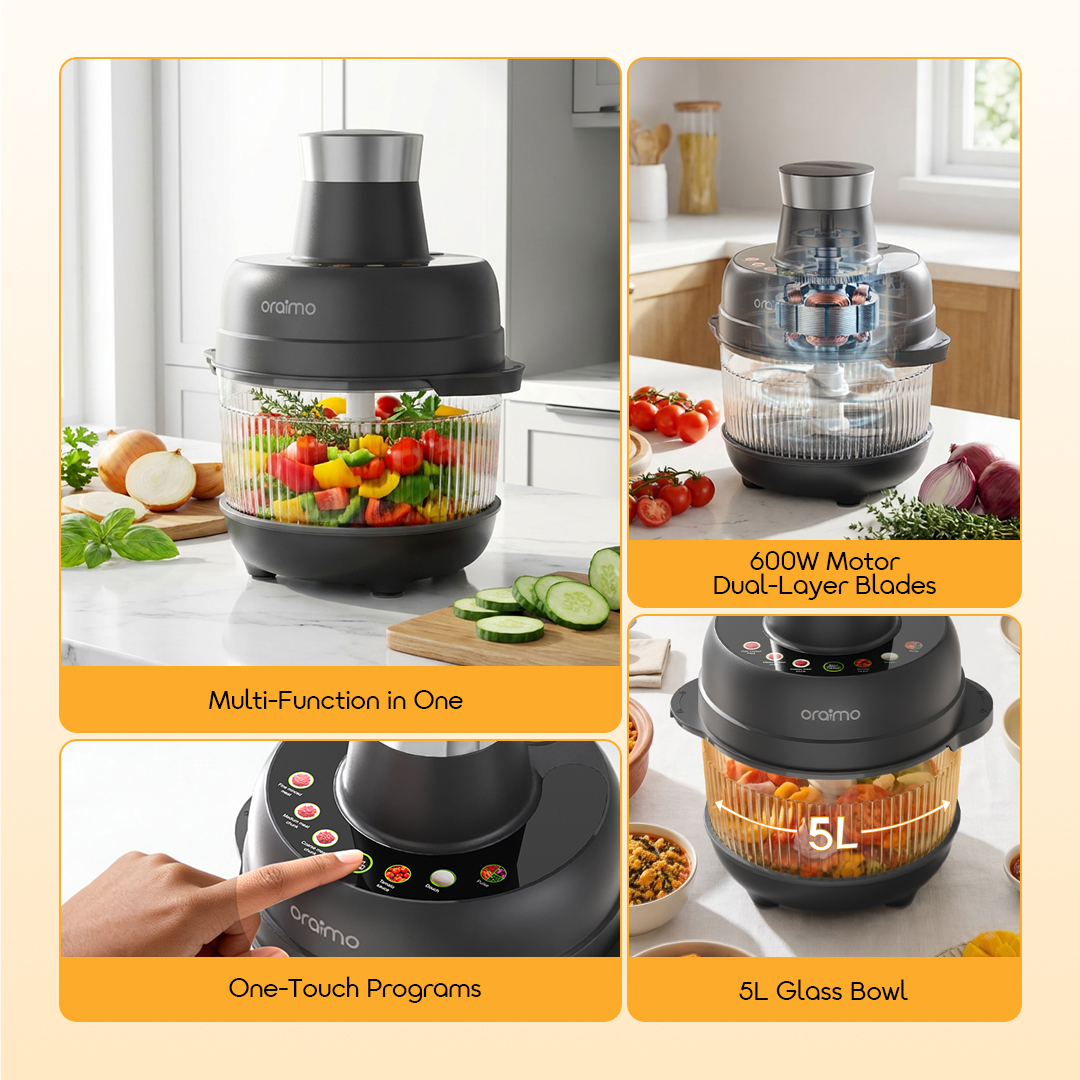
For everyday Nigerian cooking, a blender with at least 400W to 600W is recommended. If you are blending heavy ingredients like dry peppers, crayfish, or egusi regularly, a 600W motor like the one in the oraimo PowerMince Pro is a solid choice. For commercial or very heavy-duty use, look for 1,000W and above.
You can shop trusted blenders directly from the oraimo Nigeria website at ng.oraimo.com. oraimo products are also available through authorised dealers and select retail stores across the country. Always buy from a verified seller to ensure you get a genuine product with a valid warranty.
A good-quality blender, used and maintained properly, should last between three to seven years. The lifespan depends on the build quality, the frequency of use, and how well you care for it. Overloading the jar, running the blender dry, or ignoring weird smells and sounds can shorten its life significantly.
For grinding pepper in a Nigerian household, either a countertop blender grinder with a dry mill attachment or a dedicated 3-in-1 blender grinder works best. If you need heavy-duty grinding for business purposes, a commercial blender with 1,000W or more is the right call.
Choosing a blender in Nigeria is not a decision to rush. The right blender makes cooking easier, faster, and more enjoyable. The wrong one will frustrate you, waste your money, and end up sitting in a corner collecting dust.
If you are looking for a blender that truly understands Nigerian kitchen demands, the oraimo PowerMince Pro (OBL-281A) is worth serious consideration. Ready to upgrade your kitchen game? Explore the oraimo PowerMince Pro today and see what a difference the right blender can make.